

ᱪᱮᱫ ᱦᱚᱸ ᱨᱚᱞᱟᱨ ᱠᱚᱰ ᱠᱟᱱᱟ ᱾
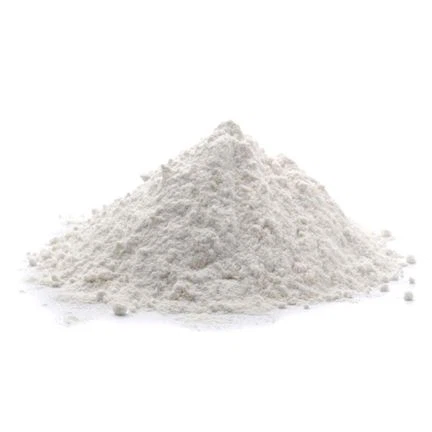
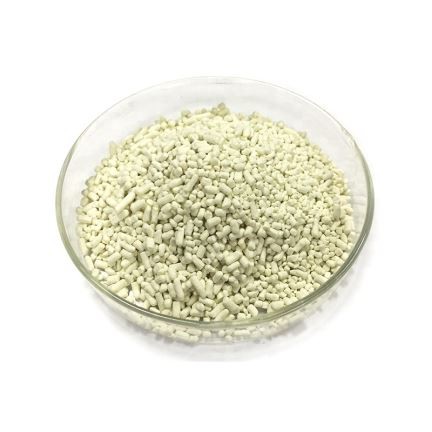
Rubber Accelerator is a type of chemical additive used in the production of rubber materials. It is designed to enhance the vulcanization process, which is the cross-linking of rubber molecules that gives the material its final properties. Rubber Accelerator can be found in a wide range of products, including tires, hoses, belts, and other rubber goods. It is typically added to the rubber compound before vulcanization and helps to speed up the vulcanization process, reducing processing time and energy requirements. Rubber Accelerator also affects the physical properties of the final rubber product, such as tensile strength, Shore hardness, flexural modulus, tear strength, and fatigue resistance.
ᱨᱤᱥᱟᱭᱠᱞᱤᱝ ᱠᱚᱱᱥᱟᱞᱴᱮᱱᱴ ᱠᱚᱰ ᱠᱚ ᱾
ᱠᱟᱹᱢᱤᱦᱚᱨᱟ ᱚᱠᱛᱚ ᱨᱮ ᱥᱩᱫᱷᱨᱟᱹᱣ
ᱱᱚᱶᱟ ᱫᱚ ᱟᱹᱰᱤ ᱡᱟᱹᱨᱩᱲ ᱜᱮᱭᱟ ᱡᱮ https://goocalized ar khon khon khon jạruṛaṛaṛ kạmi lạgit̕ lạgit̕ lạgit̕ kạmi lạgit̕ lạgit̕ ạṭi lạgit̕ lạgit̕ lạgit̕ jạruṛa kạmi lạgit̕ kạmi lạgit̕ lạgit̕ lạgit̕ lạgit̕ jạruṛ kạmi lạgit̕, ᱚᱱᱟ ᱫᱚ , ᱚᱱᱟ ᱫᱚ https://goocalizoods, hoution, hoution, hable ko, hoution, hoution, hoution, ᱟᱨ ᱮᱴᱟᱜ ᱠᱚ ᱫᱚ ᱵᱟᱝ ᱛᱟᱦᱮᱱ ᱠᱟᱱᱟ.
ᱩᱛᱱᱟᱹᱣ ᱟᱠᱟᱱ ᱯᱟᱲᱦᱟᱣ ᱠᱚ ᱨᱮ
Accelerators not only speed up the vulcanization process but also enhance the physical properties of the rubber. They can improve the elasticity, strength, and durability of the rubber, making it more suitable for various applications. This is particularly important for applications where the rubber is subjected to high stress or temperature, such as in the automotive and construction industries.
ᱥᱤᱥᱴᱮᱢ
The use of rubber accelerators can also be cost-effective. By improving the efficiency of the production process, accelerators can help reduce the overall cost of production. Additionally, the improved physical properties of the rubber can also increase the lifespan of the end product, reducing the need for frequent replacements and saving money in the long run.
ᱩᱛᱱᱟᱹᱣᱠᱚ
Rubber accelerators are versatile and can be used with various types of rubber, including natural rubber and synthetic rubber. This makes them a useful tool for manufacturers who produce a wide range of products made from different types of rubber.
ᱯᱨᱚ
Accelerators can also be customized to suit the specific needs of a production process. Different types of accelerators can be used to achieve different results, such as improving the processing time, enhancing the physical properties of the rubber, or reducing the overall cost of production.
ᱯᱟᱨᱤᱵᱷᱟᱨᱚᱱᱟᱞ ᱪᱤᱱᱛᱟᱹ
Finally, some rubber accelerators are designed to be more environmentally friendly. These accelerators can reduce the amount of waste produced during the production process and have less of an impact on the environment.
-

ᱨᱤᱪᱢᱚᱱᱰ-ᱮᱠᱯᱤᱴ ᱠᱚ ᱾
ᱥᱮᱨᱮᱧ ᱧᱩᱛᱩᱢ:. ᱥᱮᱨᱮᱵᱨᱟᱞ ᱢᱮᱞᱟᱱᱳᱢᱟ ᱠᱚ ᱫᱚ ᱰᱤᱦᱟᱭᱰᱨᱚᱡᱮᱱ ᱠᱟᱱᱟ ᱾. ᱥᱤᱥᱤᱡᱤᱥᱤ ᱢᱮᱰ ᱨᱮᱥ: ᱒᱓᱘-᱑᱒᱗᱾. ᱠᱟᱨᱰᱤᱭᱟᱠ: ᱥᱮᱞᱮᱫᱤᱭᱟᱹ ᱠᱚ -
ᱮᱱᱴᱤ-ᱮᱠᱥᱮᱢᱮᱞ=} } ᱢᱮᱴᱨᱤᱠᱥ ᱾
ᱧᱩᱛᱩᱢ: } } } } } ᱜᱨᱟᱯᱷᱤᱰᱤᱠ ᱰᱤᱵᱷᱟᱭᱤᱥ ᱾. ᱥᱤ ᱮᱢ ᱥᱤ: ᱓᱗ ᱥᱤᱥᱤᱡᱤ ᱨᱮᱥ ᱖᱾. ᱠᱟᱨᱞᱪᱟᱨ: ᱑᱖᱐-᱑᱕᱗᱾. {}}: } } }. ᱥᱮᱞᱮᱫᱤᱭᱟᱹ ᱠᱚ -
ᱢᱮᱴᱨᱤᱠᱥ { } } } \\ ᱨᱩᱠᱷᱤᱭᱟᱹ
ᱥᱮᱨᱮᱧ ᱧᱩᱛᱩᱢ:. ᱰᱳᱯᱟᱢᱤᱱ ᱜᱚᱡ. ᱠᱚᱥᱢᱮᱴᱤᱠᱥ: ᱓᱑᱓-᱑᱓᱗ ᱢᱮᱰ ᱨᱮᱥᱤ. Molecular Weight: 211.27br />{}}: } } }. ᱥᱮᱞᱮᱫᱤᱭᱟᱹ ᱠᱚ -
ᱴᱤ ᱴᱤ ᱴᱤ (ᱟᱨ ᱴᱤ) ᱫᱚ ᱢᱤᱫ ᱵᱤ ᱮᱢ ᱥᱤ ᱥᱮᱞᱮᱫ ᱮᱫᱟᱭ
ᱥᱮᱨᱮᱧ ᱧᱩᱛᱩᱢ:. ᱥᱮᱨᱮᱵᱨᱟᱞ ᱢᱮᱞᱟᱱᱳᱢᱟ ᱠᱚ ᱫᱚ ᱰᱤᱦᱟᱭᱰᱨᱚᱡᱮᱱ ᱠᱟᱱᱟ ᱾. ᱥᱤᱥᱤᱡᱤᱥᱤ ᱢᱮᱰ ᱨᱮᱥ: ᱒᱓᱘-᱑᱒᱗᱾. ᱠᱟᱨᱰᱤᱭᱟᱠ: ᱥᱮᱞᱮᱫᱤᱭᱟᱹ ᱠᱚ -
ᱟᱨᱴᱤᱰᱤᱯᱤᱮ (ᱰᱤᱵᱤᱰᱤ) ᱯᱤᱰᱤᱰᱤᱥᱤᱰᱤ ᱖ᱰᱤᱵᱤ ᱰᱤᱟᱨᱵᱤᱰᱤᱟᱨᱟᱨ ᱨᱮᱰᱰᱤᱵᱷᱤ...
ᱥᱮᱨᱮᱧ ᱧᱩᱛᱩᱢ:. ᱮᱱ--, (᱒) − } ^ᱡᱤ-᱑ ᱱᱳᱭᱟ ᱱᱳᱭᱟ ᱱᱳᱭᱟ ᱱᱳᱭᱟ ᱱᱳᱭᱟ ᱱᱳᱭᱟ ᱾. ᱠᱚᱥᱢᱮᱡᱤᱝ ᱠᱟᱨᱰᱤᱭᱚᱜᱽᱨ: ᱑᱒᱕-᱑᱒᱘᱾. ᱥᱮᱞᱮᱫᱤᱭᱟᱹ ᱠᱚ -
ᱴᱤᱯᱤᱮᱥ ᱯᱤ ᱮᱥ ᱮᱥ ᱮᱥ ᱮᱱ ᱮ ᱜᱚᱲᱚ ᱧᱟᱢ ᱠᱮᱫᱟᱭ
ᱥᱮᱨᱮᱧ ᱧᱩᱛᱩᱢ:. ᱯᱤ-ᱠᱞᱟᱥᱤᱠᱟ-ᱟᱭᱳᱴᱟ. ᱥᱤ ᱮᱢ ᱥᱤ: ᱖᱕ ᱥᱤ ᱮᱢ ᱮᱥ ᱥᱤ ᱨᱮᱥᱤᱭᱳ. ᱠᱟᱨᱞᱪᱟᱨ: ᱓᱘-᱓᱘᱾. ᱠᱚᱰ {|}: '}} } } ᱥᱮᱞᱮᱫᱤᱭᱟᱹ ᱠᱚ -
ᱢᱮᱴᱨᱤᱠᱥ/ᱰᱤᱡᱤᱮᱭᱰᱤᱮᱭᱮᱢ { } } } } ᱨᱩᱠᱷᱤᱭᱟᱹ ᱠᱤ ᱾
ᱥᱮᱨᱮᱧ ᱧᱩᱛᱩᱢ:. ᱔, ᱔-ᱢᱟᱭᱱᱳᱢᱟ ᱨᱮᱭᱟᱜ ᱢᱚᱨᱯᱷᱚᱞᱚᱡᱤ. ᱥᱤ ᱮᱢ ᱥᱤ ᱨᱮᱰᱤᱭᱚᱞ ᱨᱮᱥ: ᱒᱗᱖-᱑᱒᱒ ᱾. ᱠᱟᱨᱰᱤᱭᱟᱠ: ᱒᱖᱓.᱓% ᱾. ᱥᱮᱞᱮᱫᱤᱭᱟᱹ ᱠᱚ


ᱪᱮᱫᱟᱜ ᱥᱮ ᱵᱟᱪᱷᱟᱣ ᱢᱮ
ᱢᱤᱫ ᱢᱮᱴᱨᱤᱠᱥ
ᱟᱵᱚ ᱫᱚ ᱱᱟᱶᱟ ᱠᱚ ᱵᱟᱝ ᱛᱟᱦᱮᱱ ᱞᱟᱹᱜᱤᱫ ᱵᱚᱱ ᱠᱷᱚᱡᱚᱜ ᱠᱟᱱᱟ, ᱟᱨ ᱩᱱᱠᱩ ᱫᱚ ᱟᱠᱚᱣᱟᱜ ᱞᱟᱹᱠᱛᱤ ᱠᱚ ᱯᱩᱨᱟᱹᱣ ᱞᱟᱹᱜᱤᱫ ᱠᱚ ᱥᱟᱯᱲᱟᱣ ᱠᱟᱱᱟ, ᱚᱱᱟ ᱛᱮ ᱟᱵᱚ ᱫᱚ 70 ᱠᱷᱚᱱ ᱵᱟᱹᱲᱛᱤ ᱦᱚᱲ ᱠᱚ ᱥᱟᱶ ᱥᱟᱶᱛᱮ ᱥᱟᱶᱛᱮ ᱥᱟᱶᱛᱮ ᱥᱟᱶᱛᱮ ᱥᱟᱶᱛᱮ ᱢᱮᱱᱟᱜ ᱵᱚᱱᱟ᱾
ᱯᱨᱚᱯᱷᱮᱥᱚᱱᱟᱞ ᱥᱮᱵᱟ
ᱟᱵᱚ ᱫᱚ 75 ᱥᱮᱨᱢᱟ ᱟᱨ ᱚᱱᱟ ᱛᱟᱭᱚᱢ ᱫᱚ ᱵᱟᱝ ᱵᱮᱥ ᱟᱨ ᱵᱮᱥ ᱟᱨ ᱵᱟᱝ ᱵᱮᱥ ᱟᱨ ᱵᱟᱝ ᱵᱮᱥ ᱞᱮᱠᱟ ᱵᱚᱱ ᱧᱮᱞ ᱫᱟᱲᱮᱭᱟᱜ-ᱟ, ᱡᱟᱦᱟᱸ ᱫᱚ ᱟᱵᱚ ᱫᱚ ᱵᱟᱝ ᱵᱮᱥ ᱞᱮᱠᱟ ᱵᱚᱱ ᱧᱮᱞ ᱫᱟᱲᱮᱭᱟᱜ-ᱟ᱾
ᱥᱟ.ᱜᱟ.ᱭ ᱫᱚ ᱥᱟ.ᱜᱟ.ᱭ
https://impables, https://govalue vircoptions ᱟᱨ https://govalue value hoppoptions ar jạruṛaṭikobloge ar https, jạruṛaṛaṛaṭiko kạmi lạgit̕ jạruṛak̕ kạmi lạgit̕ jạruṛak̕ kạmi lạgit̕ jạruṛaṭạṭạkạmạkạmạkạmạkạmᱥᱴᱟᱭᱤᱡᱽ ᱫᱟᱲᱮᱭᱟᱜ ᱠᱟᱱᱟ.
ᱩᱛᱱᱟ.ᱣ
ᱱᱚᱶᱟ ᱫᱚ ᱟᱹᱰᱤ ᱞᱟᱹᱠᱛᱤᱭᱟᱱ ᱠᱟᱱᱟ, ᱚᱱᱟ ᱛᱮ ᱱᱚᱶᱟ ᱫᱚ ᱟᱹᱰᱤ ᱵᱮᱥ ᱜᱮᱭᱟ, ᱚᱱᱟ ᱫᱚ 35-2012 ᱠᱷᱚᱱ ᱧᱟᱢ ᱟᱠᱟᱱᱟ ᱡᱮ ᱱᱚᱶᱟ ᱫᱚ ᱟᱹᱰᱤ ᱢᱟᱨᱟᱝ ᱜᱩᱱ ᱠᱟᱱᱟ, ᱚᱱᱟ ᱛᱮ ᱩᱱᱠᱩ ᱫᱚ ᱥᱟᱹᱨᱤ ᱠᱚ ᱵᱩᱡᱷᱟᱹᱣ ᱫᱟᱲᱮᱭᱟᱜ-ᱟ᱾
ᱛᱩᱞᱟᱹ ᱡᱚᱠᱷᱟ ᱜᱚᱱᱚᱝ
ᱟᱵᱚ ᱫᱚ ᱟᱵᱚᱣᱟᱜ ᱡᱤᱱᱤᱥ ᱠᱚ ᱨᱮᱭᱟᱜ ᱫᱟᱢ ᱵᱚᱱ ᱧᱟᱢ ᱮᱫᱟ, ᱡᱟᱦᱟᱸ ᱫᱚ ᱟᱵᱚ ᱨᱮᱱ ᱜᱚᱨᱟᱦᱟᱠ ᱠᱚ ᱞᱟᱹᱜᱤᱫ ᱫᱚ ᱵᱟᱝ ᱠᱟᱱᱟ, ᱚᱱᱟ ᱛᱮ ᱟᱵᱚ ᱫᱚ 2.5 million ᱟᱨ jạruṛaḱ kana jạruṛaṛa kạmi lạgit̕ jạruṛa jạruṛa jạruṛa jạruṛa jạruṛa.
ᱯᱨᱚᱯᱷᱮᱥᱚᱱᱟᱞ ᱴᱤᱢ
ᱟᱵᱚ ᱫᱚ 2015 ᱥᱟᱞᱮ ᱨᱮ ᱢᱤᱫ ᱯᱨᱚᱯᱷᱮᱥᱚᱱᱟᱞ ᱟᱨ ᱯᱨᱚᱯᱷᱮᱥᱚᱱᱟᱞ ᱠᱚ ᱢᱮᱱᱟᱜ ᱠᱚᱣᱟ ᱚᱠᱚᱭ ᱫᱚ ᱟᱵᱚ ᱨᱮᱱ ᱠᱞᱟᱭᱤᱱᱴ ᱠᱚ ᱞᱟᱹᱜᱤᱫ ᱠᱚ ᱠᱷᱚᱡᱚᱜ ᱠᱟᱱᱟ ᱟᱨ ᱱᱚᱶᱟ ᱫᱚ ᱟᱵᱚ ᱨᱮᱱ ᱢᱤᱫ ᱥᱮᱬᱟ ᱦᱚᱲ ᱠᱟᱱᱟ ᱵᱚᱱ᱾

ᱢᱮᱰᱟᱢ ᱨᱮ ᱠᱚᱢ ᱥᱮ ᱠᱚᱢ ᱢᱤᱫ ᱩᱫᱽᱭᱚᱜᱽ ᱥᱮᱞᱮᱫ ᱢᱮᱱᱟᱜᱼᱟ ᱾
Rubber accelerator is a kind of rubber additive, which can promote the vulcanization reaction of rubber and shorten the vulcanization time. The main components of rubber accelerator are sulfur, thiuram, dithiocarbamate, mercaptobenzothiazole and their derivatives. These components can interact with sulfur in rubber to form sulfur-containing polymers, which can accelerate the vulcanization reaction of rubber. Some rubber accelerators also contain anti-aging agent, plasticizer and other additives to improve the performance of rubber products.
ᱮᱴᱟᱜ ᱮᱴᱟᱜ ᱥᱟᱫᱷᱟᱨᱚᱱ ᱜᱩᱱ ᱠᱚ ᱫᱚ ᱦᱩᱭᱩᱜ ᱠᱟᱱᱟ ᱜᱞᱩᱴᱮᱱ ᱰᱟᱭᱢᱮᱱᱥᱚᱱ᱾
ᱯᱷᱟᱨᱢᱟᱥᱭᱩᱴᱤᱠᱟᱞ ᱠᱚᱰ ᱠᱚ ᱾
Also known as sulfenamides, primary accelerators are the most commonly used type of rubber accelerator. They are highly effective at promoting vulcanization and are typically used in combination with secondary accelerators to achieve the desired properties. Examples of primary accelerators include N-cyclohexyl-2-benzothiazolesulfenamide (CBS), ᱱᱤᱭᱩᱠᱞᱤᱭᱟᱨ ᱰᱤ ᱮᱱ ᱮ (ᱰᱤᱵᱤᱰᱤ) ᱟᱨ ᱮᱱ-ᱰᱤᱮᱰᱤᱮ + ᱱᱳᱰ-ᱮᱱᱰᱤᱮᱱᱮ (ᱮᱱᱮᱱᱮᱱᱮᱱᱮ), ᱟᱨ ᱮᱱ ᱮ ᱱᱳᱴ-ᱟᱨᱡᱤᱮᱯᱤᱮ, ᱟᱨ ᱮᱱ ᱮ ᱱᱳᱴ-ᱟᱨᱡᱤᱮᱯᱤᱮ + ᱱᱳᱴ-ᱟᱨᱡᱤᱮᱯᱤᱮ (ᱟᱨ ᱮᱱ) ᱱᱳᱴ ᱱᱳᱴ ᱱᱳᱴ ᱔᱙ᱮ ᱾
ᱫᱚᱥᱟᱨ ᱥᱮᱠᱴᱨᱮᱴᱤ ᱠᱚ
Secondary accelerators are used in combination with primary accelerators to enhance the overall performance of the rubber compound. They help to improve the processing characteristics of the rubber and can also provide additional benefits such as improved aging resistance and heat resistance. Examples of secondary accelerators include thiurams, such as tetramethylthiuram disulfide (TMTD), and guanidines, such as ᱮᱱᱡᱟᱭᱤᱢ (ᱪᱤᱛᱟᱹᱨ ᱕ᱵᱤ) ᱫᱚ ᱰᱤ᱒ᱰᱤᱰᱤᱮᱢ ᱠᱟᱱᱟ ᱾
ᱠᱚᱢᱯᱭᱩᱴᱟᱨ ᱥᱤᱥᱴᱚᱢ
Impact accelerators are used to improve the impact resistance of rubber compounds. They are typically used in applications where the rubber is subjected to high stress or impact, such as in the production of tires and conveyor belts. Examples of impact accelerators include thiazoles, such as 2,2'-dithiobisbenzothiazole (MBT), and thioureas, such as ᱟᱞᱜᱚᱨᱤᱫᱷᱚᱢ (ᱟᱨᱮᱱ) { } } } } } } } ᱨᱚᱠᱷᱟ ᱜᱨᱟᱯᱷ ᱾
ᱟᱨᱠᱴᱤᱠᱪᱟᱨ ᱠᱚᱰ ᱠᱚᱰ ᱠᱚ ᱾
Delayed action accelerators are used in applications where a longer lag time is required before vulcanization begins. They are typically used in combination with primary and secondary accelerators and can provide additional benefits such as improved aging resistance and heat resistance. Examples of delayed action accelerators include thiophanates, such as thiophanate-methyl (TMTM), and dithiocarbamates, such as zinc ᱰᱟᱭᱜᱽᱱᱚᱥᱴᱤᱠ ᱪᱤᱛᱟᱹᱨ (ᱪᱤᱛᱟᱹᱨ ᱕-ᱰᱤ) [᱒]
ᱮᱥ ᱮᱥ ᱮ-ᱤᱱ-ᱤᱱᱯᱷᱞᱟᱢᱮᱴᱟᱨᱤ
Non-sulfur accelerators are an alternative to sulfur-based accelerators and are used in applications where the use of sulfur is not desired or not possible. They are typically more expensive than sulfur-based accelerators but can offer improved performance in certain applications. Examples of non-sulfur accelerators include guanidines, such as diphenylguanidine (DPG), and ᱥᱟᱹᱨᱤ ᱠᱟᱛᱷᱟ ᱫᱚ, ᱱᱮᱱᱚᱯᱟᱨᱴᱤᱠᱟᱞ ᱠᱚ (ᱪᱤᱛᱟᱹᱨ ᱕ ᱖)᱾
ᱞᱟᱛᱟᱨ ᱨᱮ ᱮᱢ ᱟᱠᱟᱱ ᱮᱴᱟᱜ ᱤᱢᱮᱡᱤᱝ ᱟᱨ ᱤᱢᱟᱨᱡᱮᱱᱥᱤ ᱟᱨᱴᱟᱨᱤ ᱠᱚ ᱛᱟᱞᱟ ᱨᱮ ᱾
Primary and secondary Rubber Accelerators are two types of chemical additives used in the production of rubber materials. They have different chemical structures and properties, and their functions and application methods are also different.
Primary Rubber Accelerators, also known as vulcanization accelerators, are directly added into the rubber compound before vulcanization. They can promote the vulcanization reaction of rubber and shorten the vulcanization time. Typical primary Rubber Accelerators include guanidine, thiourea, and their derivatives.
Secondary Rubber Accelerators, also known as vulcanization accelerator activators, do not have vulcanization acceleration function by themselves, but can activate the vulcanization accelerator and enhance its vulcanization acceleration effect. Typical secondary Rubber Accelerators include stearic acid, oleic acid, and their metal salts.
The use of secondary Rubber Accelerators can further enhance the vulcanization effect of primary Rubber Accelerators, but also make the vulcanization process more sensitive to temperature and pressure. Therefore, when using secondary Rubber Accelerators, attention should be paid to the control of processing conditions to avoid premature vulcanization and other problems.
ᱩᱛᱱᱟᱹᱣ ᱟᱨ ᱩᱛᱱᱟᱹᱣ ᱨᱮ ᱱᱟᱶᱟ ᱩᱫᱽᱭᱚᱜᱽ ᱠᱚ ᱫᱚ ᱩᱫᱽᱭᱚᱜᱽ ᱠᱚ ᱨᱮ ᱢᱚᱱᱮ ᱢᱮᱱᱟᱜ-ᱟ ᱾
01/
ᱦᱟᱹᱨᱭᱟᱹᱲ ᱟᱨ ᱩᱛᱱᱟᱹᱣ ᱞᱟᱹᱜᱤᱫ ᱢᱤᱫ ᱠᱮᱴᱮᱡ
ᱱᱚᱶᱟ ᱫᱚ ᱟᱹᱰᱤ ᱡᱟᱹᱨᱩᱲ ᱜᱮᱭᱟ, ᱟᱨ ᱟᱭᱢᱟ ᱞᱮᱠᱟᱱ, ᱟᱨ ᱟᱭᱢᱟ ᱠᱚ ᱫᱚ "Prophims" ᱟᱨ "Prophime" ᱟᱨ "Internials" ᱟᱨ "Prophime" ᱟᱨ "Indioction" ᱟᱨ "Propional official official official official official" ᱠᱚ ᱢᱮᱱᱮᱫ ᱠᱟᱱᱟ ᱡᱟᱦᱟᱸ ᱫᱚ ᱟᱹᱰᱤ ᱜᱟᱱ ᱦᱚᱲ ᱠᱚ ᱞᱟᱹᱜᱤᱫ ᱵᱮᱵᱚᱦᱟᱨᱚᱜ ᱠᱟᱱᱟ, ᱡᱟᱦᱟᱸ ᱨᱮ ᱟᱹᱰᱤ ᱜᱟᱱ ᱫᱚ ᱟᱹᱰᱤ ᱡᱟᱹᱨᱩᱲ ᱜᱮᱭᱟ.
02/
ᱥᱮᱪᱮᱫ ᱟᱨ ᱠᱷᱟᱥ ᱠᱟᱭᱛᱮ
As the market becomes more competitive, there is a trend towards developing specialized and customized accelerators to meet the specific requirements of different rubber products. This includes creating custom formulations for specific applications, such as high-performance tires, medical devices or specialty footwear.
03/
ᱱᱤᱭᱳᱨᱳᱥᱤᱥ
Integrating nanotechnology into rubber accelerator systems can significantly improve performance. Nanomaterials, such as nanoclays or carbon nanotubes, can be used to enhance the dispersion and efficiency of accelerators, allowing for better cross-linking and improved mechanical properties of the vulcanized rubber.
04/
ᱱᱤᱭᱳᱨᱳᱥᱤᱥ
Biotechnological methods, such as precision bacterial fermentation production, can be explored for sustainable production of rubber accelerators. These methods may offer greener, more cost-effective production methods, as well as the potential for large-scale manufacturing.
05/
ᱟᱭᱢᱟ ᱞᱮᱠᱟᱱ ᱠᱟᱹᱢᱤᱦᱚᱨᱟ ᱠᱚ
The trend in developing multifunctional additives is to combine the properties of multiple ingredients in a single product. For example, accelerators can also act as fillers, antioxidants or plasticizers, reducing the overall complexity of the rubber compound and potentially reducing costs.
06/
ᱰᱟᱭᱱᱟᱢᱤᱠ ᱟᱨ ᱚᱯᱴᱤᱢᱟᱭᱡᱮᱥᱚᱱ᱾
The use of digital tools and automation in rubber accelerator production is likely to increase, leading to more precise formulations and manufacturing processes. Advanced analytics, including machine learning and artificial intelligence, can be used to optimize production parameters and predict the performance characteristics of new materials.
ᱛᱤᱱᱟᱹᱜ ᱜᱟᱱ ᱟᱞᱜᱟ ᱛᱮ ᱵᱮᱱᱟᱣ ᱟᱠᱟᱱ ᱠᱚᱰ ᱠᱚ ᱫᱚ ᱠᱚᱢ ᱠᱷᱚᱱ ᱠᱚᱢ ᱵᱮᱵᱷᱟᱨ ᱠᱟᱛᱮ ᱠᱚ ᱠᱟᱹᱢᱤ ᱫᱟᱲᱮᱭᱟᱜᱼᱟ᱾


ᱚᱴᱚᱢᱚᱵᱟᱭᱤᱞ ᱥᱤᱥᱴᱚᱢ
, https://gables, https://govalue, Rable, ᱟᱨ Undertion ar ko, https://govalue, ᱟᱨ vario , ᱚᱱᱟ ᱫᱚ , ᱟᱨ ibps, https, ᱡᱟᱦᱟᱸ ᱫᱚ URL, ᱟᱨ extional jạruṛaṭoṭạṭạḍạu kạmạkạkạmạu kạmi, official offio offio ar appoption , ᱟᱨ appoption kạmi, ᱟᱨ ᱱᱚᱶᱟ ᱫᱚ ᱢᱤᱫ ᱞᱮᱠᱟᱱ, , ᱟᱨ ᱱᱚᱶᱟ ᱫᱚ ᱵᱟᱝ ᱠᱟᱱᱟ ᱡᱮ , ᱟᱨ ᱛᱟᱭᱚᱢ ᱫᱚ ᱱᱚᱶᱟ ᱠᱟᱱᱟ ᱡᱮ , ᱟᱨ a a apaps ᱫᱚ , ᱟᱨ a a offertion ᱫᱚ ᱟᱹᱰᱤ ᱢᱟᱨᱟᱝ ᱠᱟᱱᱟ.
ᱤᱱᱴᱮᱜᱽᱨᱮᱴᱮᱰ ᱥᱤᱥᱴᱚᱢ
https://govalue ar https://govalue ar https:
ᱯᱞᱟᱴᱯᱷᱚᱨᱢ ᱨᱮ
https://govalue, hirgine, https://govalue ar https://goocophocks ᱫᱚ ᱢᱤᱫ ᱞᱮᱠᱟᱱ ᱜᱩᱱ ᱠᱟᱱᱟ, ᱟᱨ ᱚᱱᱟ ᱫᱚ ᱵᱟᱝ ᱵᱮᱥ ᱜᱮᱭᱟ ᱟᱨ ᱚᱱᱟ ᱫᱚ ᱵᱟᱝ ᱧᱟᱢ ᱟᱠᱟᱱᱟ, ᱚᱱᱟ ᱫᱚ ᱵᱟᱝ ᱧᱟᱢ ᱟᱠᱟᱱᱟ, ᱚᱱᱟ ᱫᱚ ᱵᱟᱝ ᱯᱩᱨᱟᱹᱣ ᱟᱠᱟᱱᱟ.
ᱥᱟᱬᱮᱥᱤ ᱮᱴᱠᱮᱴᱚᱬᱮ
ᱱᱚᱶᱟ ᱠᱚ ᱢᱩᱫᱽ ᱨᱮ ᱟᱭᱢᱟ ᱞᱮᱠᱟᱱ ᱨᱩᱠᱷᱤᱭᱟᱹ ᱠᱚ ᱫᱚ ᱢᱮᱴᱨᱤᱠ ᱠᱚ ᱞᱟᱹᱜᱤᱫ ᱵᱮᱵᱚᱦᱟᱨᱚᱜ ᱠᱟᱱᱟ, ᱡᱟᱦᱟᱸ ᱨᱮ ᱟᱭᱢᱟ ᱨᱩᱠᱷᱤᱭᱟᱹ, ᱪᱤᱠᱤᱥ, ᱟᱨ ᱮᱴᱟᱜ ᱠᱚ ᱞᱟᱹᱜᱤᱫ, ᱟᱨ ᱮᱴᱟᱜ ᱠᱚ ᱞᱟᱹᱜᱤᱫ ᱢᱮᱱᱟᱜ-ᱟ ᱾
ᱦᱚᱥᱯᱤᱥ ᱟᱨ ᱤᱱᱴᱚᱨᱱᱮᱴ ᱨᱮ
Industrial hoses and belting require robust rubber that can withstand pressure, heat, and movement. Rubber accelerators help in the production of these items to ensure they perform reliably under harsh conditions.
ᱠᱷᱮᱞ ᱠᱚ ᱟᱨ ᱠᱷᱮᱞ ᱠᱚ ᱞᱟᱹᱜᱤᱫ
150 million lạgit̕ jạruṛaḱ lạgit̕ kạmi lạgit̕ kana kạmi lạgit̕ kạmi lạgit̕ kạmi lạgit̕ kạmi lạgit̕ kạmi lạgit̕ kạmi lạgit̕ kạmi lạgit̕ kạmi lạgit̕ kana, ᱟᱨ ᱱᱚᱶᱟ ᱫᱚ exposition, official official official official official official official official, ᱟᱨ ᱚᱱᱟ ᱠᱚ ᱫᱚ ᱟᱹᱰᱤ ᱵᱮᱥ ᱜᱮᱭᱟ, ᱚᱱᱟ ᱫᱚ ᱵᱟᱝ ᱦᱩᱭᱩᱜ-ᱟ᱾
ᱢᱟᱥᱴᱟᱨᱥ ᱟᱨ ᱨᱟᱹᱥᱠᱟᱹ
Rubber flooring and matting, used in both residential and commercial settings, require materials that can withstand heavy foot traffic and maintain their appearance over time. Rubber accelerators help in producing such materials with the necessary durability.
ᱪᱮᱫ ᱞᱮᱠᱟ ᱛᱮ ᱥᱤ ᱰᱤ ᱥᱤ ᱥᱮ ᱨᱚᱢ ᱠᱚ ᱫᱚ ᱥᱮᱢᱤᱠᱚᱱᱰᱟᱠᱴᱚᱨ ᱠᱚ ᱦᱚᱛᱮᱛᱮ ᱵᱟᱧᱪᱟᱣ ᱫᱟᱲᱮᱭᱟᱜᱼᱟ ᱠᱚ ᱾
ᱨᱤᱥᱟᱭᱠᱞᱤᱝ ᱨᱤᱡᱟᱨᱣᱮᱥᱚᱱ
ᱟᱥᱚᱞ ᱡᱤᱱᱤᱥ ᱠᱚ ᱫᱚ ᱱᱟᱶᱟ ᱡᱤᱱᱤᱥ ᱠᱚ ᱨᱮᱭᱟᱜ ᱜᱩᱱ ᱠᱚ ᱫᱚᱦᱚ ᱞᱟᱹᱜᱤᱫ ᱠᱟᱱᱟ, ᱡᱟᱦᱟᱸ ᱫᱚ ᱱᱚᱶᱟ ᱡᱤᱱᱤᱥ ᱠᱚ ᱟᱨ ᱡᱤᱱᱤᱥ ᱠᱚ ᱨᱮ ᱵᱚᱫᱚᱞ ᱠᱚ ᱞᱟᱹᱜᱤᱫ, ᱟᱨ 150 million lạgit̕ jạruṛaḍaka lạgit̕ gạhir kana official official official official office ᱠᱟᱱᱟ ᱾
ᱤᱣᱮᱱᱴ ᱥᱤᱥᱴᱚᱢ ᱨᱮ
ᱡᱩᱫᱤ 100 ms ᱨᱮ, ᱱᱚᱶᱟ ᱫᱚ ᱵᱟᱝ ᱵᱟᱹᱲᱤᱡ ᱜᱮᱭᱟ, ᱚᱱᱟ ᱫᱚ 65 million ᱟᱨ https, jạruṛa kạmi lạgit̕ jạruṛa kạmi kạmi lạgit̕ jạruṛa kạmi lạgit̕ jạruṛa kạmi lạgit̕ jạruṛ kạmi lạgit̕ jạruṛ kạmi kạmi kạmi kạmi kạmi kạmi kạmi kạmi kạmi kạmi kạmi kạmi kạmi kạmi kạmi kạmi kạmi kạmi kạmi kạmi lạgit́ ᱠᱚ ᱵᱮᱱᱟᱣ ᱮᱫᱟ.
ᱥᱟᱭᱴᱚᱴᱟᱭᱤᱯ
Pyrolysis is a process that involves heating waste rubber in the absence of oxygen to break it down into smaller components, such as gases, liquids, and char. These components can then be further refined and used as fuels or feedstocks for other chemical processes.
ᱠᱟᱹᱢᱤᱦᱚᱨᱟ ᱠᱚ
If none of the above options are viable, waste rubber should be disposed of in accordance with local environmental regulations. This may involve sending the rubber to a landfill or an industrial waste facility equipped to handle such materials.
ᱵᱮᱵᱷᱟᱨ ᱟᱠᱟᱱ ᱰᱤᱡᱟᱭᱤᱱᱟᱨ ᱠᱚ ᱦᱚᱛᱮᱛᱮ ᱾
ᱥᱟᱱᱟᱢ ᱠᱷᱚᱱ ᱢᱟᱨᱟᱝ ᱠᱟᱹᱢᱤ ᱫᱚ ᱱᱚᱶᱟ ᱠᱟᱱᱟ ᱡᱮ ᱱᱚᱶᱟ ᱠᱟᱹᱢᱤ ᱠᱚ ᱫᱚ 1500 ᱠᱷᱚᱱ ᱵᱟᱹᱲᱛᱤ ᱠᱟᱹᱢᱤ ᱠᱟᱱᱟ ᱟᱨ ᱚᱱᱟ ᱨᱮᱭᱟᱜ ᱠᱟᱹᱢᱤ ᱫᱚ ᱵᱟᱝ ᱠᱟᱹᱢᱤ ᱠᱟᱱᱟ ᱚᱠᱟ ᱠᱚ ᱫᱚ ᱟᱹᱰᱤ ᱵᱟᱹᱲᱛᱤ ᱠᱟᱹᱢᱤ ᱠᱚ ᱠᱟᱹᱢᱤ ᱠᱟᱱᱟ.
ᱤ-ᱠᱚᱢᱟᱨᱥ
Product designers can incorporate principles of eco-design to create products that are easier to disassemble and recycle at the end of their life. This approach can reduce the environmental impact of waste rubber and its accelerators.
ᱪᱮᱫ ᱞᱮᱠᱟ ᱛᱮ ᱵᱽᱨᱩᱠᱞᱤᱭᱟᱨ ᱫᱚ ᱵᱽᱨᱤᱴᱤᱥ ᱨᱤᱡᱟᱨᱣᱮᱥᱚᱱ ᱨᱮ ᱵᱚᱫᱚᱞ ᱠᱚ ᱮᱢᱚᱜ ᱠᱟᱱᱟ ᱾
35, implementalion, https://govalue, Moders, Moders, hirtexters, ᱟᱨ ᱚᱱᱟ ᱨᱮᱭᱟᱜ ᱜᱩᱱ ᱫᱚ ᱟᱹᱰᱤ ᱵᱮᱥ ᱜᱮᱭᱟ, ᱟᱨ ᱱᱚᱶᱟ ᱫᱚ ᱟᱹᱰᱤ ᱵᱮᱥ ᱜᱮᱭᱟ, ᱟᱨ ᱱᱚᱶᱟ ᱫᱚ ᱟᱹᱰᱤ ᱵᱮᱥ ᱜᱮᱭᱟ, ᱚᱱᱟ ᱫᱚ ᱵᱟᱝ ᱯᱩᱨᱟᱹᱣ ᱟᱠᱟᱱᱟ, ᱟᱨ ᱱᱚᱶᱟ ᱫᱚ ᱟᱹᱰᱤ ᱡᱟᱹᱨᱩᱲ ᱜᱮᱭᱟ᱾
Strict process control is essential to ensure the quality of Rubber Accelerators. The production process should be optimized and standardized to minimize the impact of impurities and other factors on product quality. Regular equipment maintenance and cleaning should also be carried out to avoid cross-contamination and product degradation.
Quality inspection should be conducted at each production stage to ensure that the specifications and quality requirements of Rubber Accelerators are met. This includes testing the appearance, purity, stability, and other properties of the products. If any problems are found, appropriate measures should be taken to correct them in time.
https://govalue, hirgenders, https://gections, https://govalue, hirgine, houtions, https://govalue, houtions, houtions, ᱟᱨ https://ghocalize, houtions, ᱟᱨ ᱮᱴᱟᱜ ᱠᱚ ᱠᱷᱚᱱ, ᱟᱨ ᱮᱴᱟᱜ ᱠᱚ ᱫᱚ ᱵᱟᱝ ᱛᱟᱦᱮᱱ ᱠᱟᱱ, ᱟᱨ ᱮᱴᱟᱜ ᱠᱚ, ᱟᱨ ᱮᱴᱟᱜ ᱠᱚ ᱫᱚ ᱵᱟᱝ ᱛᱟᱦᱮᱱ ᱠᱟᱱ, ᱟᱨ ᱵᱟᱝ ᱛᱟᱦᱮᱱ ᱠᱟᱱ ᱠᱚ ᱫᱚ ᱵᱟᱝ ᱛᱟᱦᱮᱱ ᱠᱟᱱᱟ.
ᱱᱟᱶᱟ ᱟᱨ ᱟᱹᱰᱤ ᱜᱟᱱ ᱱᱟᱶᱟ ᱢᱮᱴᱨᱤᱠ ᱠᱚ ᱞᱟᱹᱜᱤᱫ, ᱟᱨ ᱟᱭᱢᱟ ᱠᱚ ᱫᱚ 75 ᱥᱮᱨᱢᱟ ᱞᱟᱹᱜᱤᱫ ᱵᱮᱵᱚᱦᱟᱨᱚᱜ ᱠᱟᱱᱟ, ᱡᱟᱦᱟᱸ ᱫᱚ ᱟᱹᱰᱤ ᱜᱟᱱ ᱱᱟᱶᱟ ᱴᱮᱠᱱᱚᱞᱚᱡᱤ ᱠᱚ ᱵᱟᱝ ᱛᱟᱦᱮᱱ ᱠᱟᱱᱟ ᱾
ᱪᱮᱫ ᱞᱮᱠᱟ ᱨᱚᱵᱟᱴ ᱫᱚ ᱵᱤᱡᱤᱞᱤ ᱛᱮ ᱵᱮᱱᱟᱣ ᱟᱠᱟᱱ ᱵᱮᱵᱮᱥᱚᱱ ᱨᱮ ᱵᱚᱫᱚᱞ ᱫᱟᱲᱮᱭᱟᱜᱼᱟᱭ ᱾
ᱰᱤᱡᱟᱭᱤᱱ ᱮᱴᱠᱮᱴᱚᱬᱮ ᱠᱚ
ROID ᱫᱚ 100 mg ᱠᱷᱚᱱ ᱵᱟᱹᱲᱛᱤ ᱥᱟᱯᱷᱟ ᱜᱮᱭᱟ, ᱟᱨ ᱱᱚᱶᱟ ᱫᱚ ᱥᱟᱹᱨᱤ ᱠᱟᱱᱟ ᱡᱮ ᱱᱚᱶᱟ ᱠᱚ ᱫᱚ ᱥᱟᱯᱷᱟ ᱟᱨ ᱥᱟᱯᱷᱟ ᱫᱟᱜ ᱛᱮ ᱵᱮᱱᱟᱣ ᱟᱠᱟᱱᱟ ᱚᱠᱟ ᱫᱚ ᱢᱮᱴᱨᱤᱠᱥ ᱠᱷᱚᱱ ᱵᱟᱹᱲᱛᱤ ᱥᱟᱯᱷᱟ ᱟᱨ ᱵᱟᱝ ᱵᱮᱥ ᱞᱮᱠᱟ ᱧᱮᱞᱚᱜ-ᱟ᱾
ᱫᱷᱮᱭᱟᱱ ᱨᱮᱯᱞᱤᱠᱮᱥᱚᱱ
https://goocalize versions ᱫᱚ https://teptions vario ᱨᱮ ᱢᱮᱱᱟᱜ ᱠᱟᱱᱟ, ᱚᱱᱟ ᱫᱚ https://shime.com ᱨᱮ ᱵᱟᱝ ᱛᱟᱦᱮᱱ ᱠᱟᱱᱟ ᱟᱨ ᱚᱱᱟ ᱛᱟᱭᱚᱢ ᱫᱚ ᱵᱟᱝ ᱧᱟᱢ ᱫᱟᱲᱮᱭᱟᱜ-ᱟ᱾
ᱤᱱᱴᱚᱨᱱᱮᱴ ᱠᱟᱨᱟᱱᱥᱤ ᱵᱮᱵᱮᱥᱛᱟ
Maintaining a regular inventory management system can help ensure that rubber accelerators are used in a timely manner. Older inventory should be used first to prevent storing products for extended periods.
ᱵᱤᱱᱤᱰ ᱞᱟᱹᱜᱤᱫ
Manufacturers should conduct stability testing to determine the shelf life of their specific rubber accelerator formulations. This can provide information on how the product performs under different storage conditions and how to best preserve it.
ᱵᱮᱯᱟᱨ ᱟᱨ ᱜᱡᱚᱴᱱᱟ
Ensuring that staff working with rubber accelerators are properly trained can help prevent improper handling that could affect shelf life. Employees should understand the importance of proper storage and handling procedures.
ᱯᱩᱭᱞᱩ ᱨᱮ, ᱟᱭᱤ ᱮᱯᱷ ᱴᱤ (ᱯᱨᱟᱭᱣᱮᱴ) ᱨᱮᱭᱟᱜ ᱢᱩᱪᱟᱹᱫ ᱨᱮ ᱾
ᱯᱞᱟᱴᱯᱷᱚᱨᱢ ᱨᱮ ᱯᱞᱟᱴᱯᱷᱚᱨᱢ ᱨᱮᱭᱟᱜ ᱵᱮᱵᱷᱟᱨ ᱫᱚ 70 ms ᱨᱮ ᱵᱚᱫᱚᱞ ᱠᱟᱱᱟ, ᱡᱟᱦᱟᱸ ᱫᱚ ᱱᱚᱶᱟ ᱠᱚ ᱨᱮᱭᱟᱜ ᱜᱩᱱ ᱠᱚ ᱫᱚᱦᱚ ᱠᱟᱛᱮ ᱥᱮ ᱮᱴᱟᱜ ᱠᱚ ᱨᱮ ᱵᱟᱝ ᱛᱟᱦᱮᱱ ᱠᱟᱱᱟ.
ᱟᱞᱮᱭᱟᱜ ᱯᱨᱚᱢᱟᱱᱴᱤᱠᱮᱥᱚᱱ
2015, 3.0.0.0.5, https:/ᱦᱟᱛᱟᱨ, ᱮᱞᱟᱨᱢ, ᱮᱞᱟᱨᱢ, ᱢᱮᱴᱨᱤᱠᱥ, ᱟᱨᱟᱵᱤᱠ, ᱮᱞᱟᱨᱢ, ᱮᱞᱟᱨᱢ, ᱮᱞᱟᱨᱡᱤ, ᱮᱞᱟᱨᱢ, ᱟᱨᱟᱵᱤᱠ, ᱮᱞᱟᱨᱢ, ᱟᱨᱟᱵᱤᱠ, ᱮᱞᱟᱨᱢ, ᱮᱞᱟᱨᱢ, ᱮᱞᱟᱨᱢ, ᱟᱨ ᱮᱞᱟᱨᱢ-ᱞᱮᱠᱟᱱ ᱜᱩᱱᱠᱚ, ᱟᱨ ᱮᱞᱟᱨᱢ ᱫᱚ ᱵᱟᱝ ᱠᱟᱱᱟ ᱾ ᱮᱱᱴᱤᱵᱚᱰᱤᱡᱽ, ᱮᱡᱮᱱᱴ ᱠᱚ ᱟᱨ ᱩᱱᱠᱩᱣᱟᱜ ᱢᱮᱴᱨᱤᱠᱥ ᱠᱚ ᱫᱚ .᱕% ᱠᱚ ᱢᱮᱛᱟᱜᱼᱟ ᱾

ᱥᱟᱨᱵᱷᱮᱡᱽ ᱠᱚ
ᱤᱣᱱᱤᱴ
ᱯᱩᱛᱷᱤ: ᱪᱮᱫ ᱞᱮᱠᱟ ᱛᱮ ᱠᱭᱩᱵᱤᱠ ᱠᱚ ᱫᱚ ᱪᱮᱫ ᱞᱮᱠᱟ ᱛᱮ ᱵᱮᱱᱟᱣ ᱠᱚ ᱫᱟᱲᱮᱭᱟᱜᱼᱟ?
https://www.positional ar https://govalue, ᱟᱨ ᱱᱚᱣᱟ ᱨᱮᱭᱟᱜ ᱵᱮᱵᱷᱟᱨ ᱫᱚ ᱱᱟᱶᱟ ᱩᱛᱱᱟᱹᱣ, ᱩᱛᱱᱟᱹᱣ, ᱟᱨ ᱢᱮᱴᱨᱤᱠᱥ ᱨᱮᱭᱟᱜ ᱵᱮᱵᱷᱟᱨ ᱠᱟᱱᱟ ᱡᱟᱦᱟᱸ ᱫᱚ ᱱᱟᱶᱟ ᱩᱛᱱᱟᱹᱣ ᱨᱮᱭᱟᱜ ᱵᱮᱵᱷᱟᱨ ᱠᱟᱱᱟ᱾
ᱯᱩᱛᱷᱤ: ᱪᱮᱫ ᱮᱴᱟᱜ ᱠᱚ ᱥᱟᱶ ᱡᱚᱲᱟᱣ ᱟᱠᱟᱱ ᱵᱮᱵᱷᱟᱨ ᱠᱚ ᱥᱟᱶ ᱡᱚᱲᱟᱣ ᱢᱮᱱᱟᱜᱼᱟ?
ALM: https://www.modia, ᱡᱟᱦᱟᱸ ᱫᱚ ᱟᱭᱢᱟ ᱞᱮᱠᱟᱱ ᱠᱟᱹᱢᱤᱦᱚᱨᱟ ᱠᱚ ᱵᱮᱵᱷᱟᱨ ᱮᱫᱟ, ᱚᱱᱟ ᱫᱚ ᱟᱭᱢᱟ ᱞᱮᱠᱟᱱ ᱮᱱᱴᱤᱵᱟᱭᱚᱴᱤᱠ, ᱟᱨ ᱮᱴᱟᱜ ᱠᱚ, ᱮᱱᱴᱤᱵᱚᱰᱤᱡᱽ, ᱟᱨ ᱮᱴᱟᱜ ᱠᱚ ᱨᱮᱭᱟᱜ ᱵᱮᱵᱷᱟᱨ ᱠᱟᱱᱟ᱾
ᱯᱩᱛᱷᱤ: ᱪᱮᱫ ᱡᱟᱦᱟᱱ ᱞᱮᱠᱟᱱ ᱥᱮ ᱠᱚᱢ ᱥᱮ ᱠᱚᱢ ᱥᱮ ᱠᱚᱢ ᱥᱮ ᱢᱤᱫ ᱥᱮ ᱥᱮᱵᱟ ᱠᱚ ᱢᱮᱱᱟᱜᱼᱟ?
AMR: (C) 1000000. appletions, Amplobers, USDA ᱟᱨ USDA ᱨᱮᱭᱟᱜ ᱩᱛᱱᱟᱹᱣ ᱟᱨ ᱩᱛᱱᱟᱹᱣ, ᱡᱟᱦᱟᱸ ᱨᱮ ᱩᱫᱽᱭᱚᱜᱽ ᱟᱨ ᱮᱴᱟᱜ ᱠᱚ ᱢᱮᱱᱟᱜ-ᱟ, ᱚᱱᱟ ᱠᱚ ᱢᱩᱫᱽ ᱨᱮ ᱢᱮᱱᱟᱜ-ᱟ᱾
ᱜᱞᱩᱠᱚᱡᱽ: ᱪᱮᱫ ᱮᱴᱟᱜ ᱡᱤᱱᱤᱥ ᱠᱚ ᱫᱚ ᱥᱮᱠᱨᱮᱴᱨᱤ ᱥᱮ ᱫᱟᱜ ᱥᱮᱠᱨᱮᱴᱨᱤ ᱥᱮ ᱠᱟᱨᱵᱚᱦᱟᱭᱰᱨᱮᱴ?
A: Some rubber accelerators, particularly those containing sulfur, may cause discoloration or staining in light-colored or transparent rubber products. It is important to select accelerators that minimize discoloration effects if appearance is a critical factor.
ᱯᱤᱥ: ᱪᱮᱫ ᱡᱟᱦᱟᱱ ᱞᱮᱠᱟᱱ ᱡᱤᱱᱤᱥ ᱥᱮ ᱠᱟᱨᱵᱚᱦᱟᱭᱰᱨᱮᱴ ᱥᱮ ᱢᱮᱠᱟᱱᱤᱠᱟᱞ ᱡᱤᱱᱤᱥ ᱠᱚ ᱵᱮᱵᱷᱟᱨ ᱮᱫᱟ?
https://govalue https://topsions version ᱫᱚ https://teptions ᱫᱚ ᱵᱟᱝ ᱠᱟᱱᱟ: https://topletionshirmplocalize, websitive jạruṛaṛaṛaṭi ᱦᱩᱭᱩᱜ ᱠᱷᱟᱱ ᱱᱚᱶᱟ ᱫᱚ https:
ᱪᱮᱫ: ᱪᱮᱫ ᱮᱴᱟᱜ ᱵᱮᱵᱷᱟᱨᱤᱭᱟᱹ ᱠᱚ ᱫᱚ ᱤᱱᱴᱮᱜᱽᱨᱮᱴᱮᱰ ᱥᱮ ᱤᱱᱴᱚᱨᱥᱮᱯᱴ ᱮᱯᱞᱤᱠᱮᱥᱚᱱ ᱠᱚ ᱵᱮᱵᱷᱟᱨ ᱮᱫᱟ?
AMR: https://govalue, Reficial ko, https://govalue, Resters vario ᱟᱨ https://goocalize approteptions ar hirtions ᱫᱚ ᱟᱹᱰᱤ ᱜᱟᱱ ᱱᱟᱶᱟ ᱯᱷᱤᱪᱟᱨ ᱠᱟᱱᱟ, ᱟᱨ ᱱᱚᱶᱟ ᱠᱚ ᱫᱚ ᱱᱟᱶᱟ ᱟᱨ ᱱᱟᱶᱟ ᱠᱚ ᱨᱮᱭᱟᱜ ᱯᱟᱥᱱᱟᱣ ᱟᱨ ᱩᱛᱱᱟᱹᱣ ᱞᱟᱹᱜᱤᱫ ᱵᱮᱵᱚᱦᱟᱨᱚᱜ ᱠᱟᱱᱟ᱾
ᱪᱮᱫ: ᱪᱮᱫ ᱡᱤᱱᱤᱥ ᱠᱚ ᱫᱚ ᱤᱱᱴᱚᱨᱱᱮᱴ ᱨᱮ ᱜᱞᱩᱠᱚᱡᱽ ᱨᱮᱭᱟᱜ ᱜᱩᱱ ᱠᱚ ᱨᱩᱠᱷᱤᱭᱟᱹ ᱛᱮ ᱠᱚ ᱵᱮᱵᱷᱟᱨ ᱮᱫᱟ?
ᱢᱤᱫ ᱱᱟᱶᱟ ᱡᱤᱱᱤᱥ: https://toples version ᱫᱚ https://teptions ᱠᱟᱱᱟ, ᱡᱟᱦᱟᱸ ᱫᱚ ᱱᱟᱶᱟ ᱢᱮᱴᱨᱤᱠᱥ ᱨᱮ ᱢᱮᱱᱟᱜ-ᱟ ᱡᱟᱦᱟᱸ ᱨᱮ ᱢᱮᱴᱨᱤᱠᱥ ᱨᱮ ᱢᱮᱱᱟᱜ-ᱟ᱾
ᱯᱩᱛᱷᱤ: ᱪᱮᱫ ᱠᱮᱯᱤᱴᱟᱞ ᱨᱤᱥᱟᱭᱠᱞᱤᱝ ᱵᱮᱵᱷᱟᱨ ᱠᱟᱛᱮ ᱨᱚᱯᱟ ᱨᱮ ᱫᱚᱦᱚᱜ ᱠᱟᱱᱟ?
A: Rubber accelerators can affect the efficiency and quality of rubber recycling processes. It is crucial to consider the impact of accelerators on the recycling process and select appropriate accelerators that do not hinder recycling efforts.
ᱯᱩᱛᱷᱤ: ᱪᱮᱫ ᱥᱮᱠᱪᱚᱨᱟᱞ ᱥᱮ ᱤᱱᱥᱩᱞᱤᱱ ᱥᱮ ᱤᱱᱴᱚᱨᱱᱮᱴ ᱵᱮᱵᱷᱟᱨ ᱠᱟᱛᱮ ᱠᱚᱢ ᱜᱮᱭᱟ?
A: Rubber accelerators used in underwater or marine applications should be selected carefully to ensure compatibility with water and resistance to degradation caused by exposure to moisture, saltwater, or other environmental factors.
ᱯᱩᱛᱷᱤ: ᱪᱮᱫ ᱛᱤᱱᱟᱹᱜ ᱜᱟᱱ ᱤᱱᱴᱮᱜᱽᱨᱮᱴᱮᱰ ᱠᱟᱨᱴᱤᱞᱮᱡᱽ ᱠᱚ ᱵᱮᱵᱷᱟᱨ ᱠᱟᱛᱮ ᱵᱟᱹᱲᱛᱤ ᱛᱟᱠᱱᱤᱠᱤ ᱠᱚ ᱢᱮᱱᱟᱜᱼᱟ?
AI: https://www.position, https://www.pophockshime, https://www.posions, https://goocalize, hibsers, hirts, ᱟᱨ ᱟᱭᱢᱟ ᱞᱮᱠᱟᱱ ᱯᱷᱤᱪᱟᱨ ᱠᱚ ᱢᱮᱱᱟᱜᱼᱟ, ᱡᱟᱦᱟᱸ ᱫᱚ ᱮᱴᱟᱜ ᱠᱚ ᱫᱚ ᱟᱹᱰᱤ ᱜᱟᱱ ᱯᱷᱤᱪᱟᱨ ᱠᱚ ᱢᱮᱱᱟᱜ-ᱟ, ᱡᱟᱦᱟᱸ ᱫᱚ ᱮᱴᱟᱜ ᱠᱚ ᱫᱚ ᱵᱟᱝ ᱛᱟᱦᱮᱱ ᱠᱟᱱᱟ, ᱚᱱᱟ ᱠᱚ ᱫᱚ ᱟᱹᱰᱤ ᱜᱟᱱ ᱯᱷᱤᱡᱤᱠᱥ ᱢᱚᱰᱮᱞ ᱠᱟᱱᱟ᱾
ᱠᱩᱞᱤ: ᱪᱮᱫ ᱞᱮᱠᱟ ᱛᱮ ᱠᱟᱹᱢᱤᱭᱟᱹ ᱠᱚ ᱫᱚᱨᱮᱭᱟ ᱠᱚ ᱠᱟᱹᱢᱤᱭᱟ?
A: Rubber accelerators work by increasing the rate of chemical reactions between rubber molecules, known as cross-linking. This process forms a three-dimensional network structure, improving the mechanical properties of the rubber.
ᱯᱩᱛᱷᱤ: ᱥᱟᱫᱷᱟᱨᱚᱱ ᱞᱮᱠᱟᱱ ᱥᱟᱫᱷᱟᱨᱚᱱ ᱞᱮᱠᱟᱱ ᱠᱚᱱᱴᱨᱚᱞ ᱫᱚ ᱪᱮᱫ ᱠᱟᱱᱟ?
AMD-15: appextions, appextions, ᱟᱨ ᱚᱱᱟ ᱨᱮᱭᱟᱜ ᱡᱚᱛᱚ ᱠᱷᱚᱱ ᱞᱟᱹᱠᱛᱤᱭᱟᱱ ᱜᱩᱱ ᱫᱚ ᱦᱩᱭᱩᱜ ᱠᱟᱱᱟ ᱱᱟᱶᱟ, ᱟᱨ ᱮᱴᱟᱜ ᱠᱚ, ᱡᱟᱦᱟᱸ ᱨᱮ 5GB, ᱟᱨ ᱢᱤᱫ ᱱᱟᱶᱟ ᱜᱩᱱ ᱢᱮᱱᱟᱜ-ᱟ ᱡᱟᱦᱟᱸ ᱫᱚ imposebode.com ᱨᱮ ᱢᱮᱱᱟᱜ-ᱟ᱾
ᱯᱩᱛᱷᱤ: ᱪᱮᱫ ᱞᱮᱠᱟᱱ ᱨᱩᱠᱷᱤᱭᱟᱹ ᱜᱩᱱ ᱠᱚ ᱫᱚ ᱪᱮᱫ ᱠᱟᱱᱟ?
ᱟᱹᱰᱤ ᱜᱟᱱ ᱡᱤᱱᱤᱥ ᱠᱚ ᱫᱚ ᱦᱩᱭᱩᱜ ᱠᱟᱱᱟ: ᱟᱭᱢᱟ ᱞᱮᱠᱟᱱ ᱡᱤᱱᱤᱥ ᱠᱚ ᱫᱚ ᱵᱟᱝ ᱛᱟᱦᱮᱱ ᱠᱟᱱᱟ, ᱚᱱᱟ ᱨᱮ ᱵᱟᱹᱲᱛᱤ ᱠᱷᱚᱨᱚᱪ, ᱨᱩᱠᱷᱤᱭᱟᱹ, ᱫᱟᱢ ᱟᱨ ᱨᱩᱠᱷᱤᱭᱟᱹ ᱠᱚ ᱠᱚᱢ ᱠᱟᱛᱮ, ᱱᱚᱶᱟ ᱠᱚ ᱵᱮᱵᱚᱦᱟᱨ ᱠᱟᱛᱮ, 50 millionse appletions ᱾
ᱪᱮᱫ: ᱪᱮᱫ ᱨᱩᱠᱷᱤᱭᱟᱹ ᱵᱚᱨᱰ ᱫᱚ ᱢᱤᱫ ᱞᱮᱠᱟᱱ ᱵᱮᱵᱷᱟᱨ ᱞᱟᱹᱜᱤᱫ ᱮ ᱫᱟᱣᱟᱭᱟ?
Applement: https://govalue khon khon jạruṛaṭak̕ kạmi lạgit̕ kạmi lạgit̕ jạruṛan jạruṛak̕ kạmi lạgit̕ jạruṛan khon jạruṛan kạmi lạgit̕ jạruṛan kạmi lạgit̕ jạruṛan kạmi lạgit̕ jạruṛ kạmi lạgit̕, http://shirmange , ᱚᱱᱟ ᱫᱚ ᱵᱟᱝ ᱠᱟᱱᱟ, ᱟᱨ ᱱᱚᱶᱟ ᱫᱚ ᱵᱟᱝ ᱦᱩᱭᱩᱜ ᱠᱟᱱᱟ, ᱚᱱᱟ ᱠᱚ ᱫᱚ 35 https:᱾
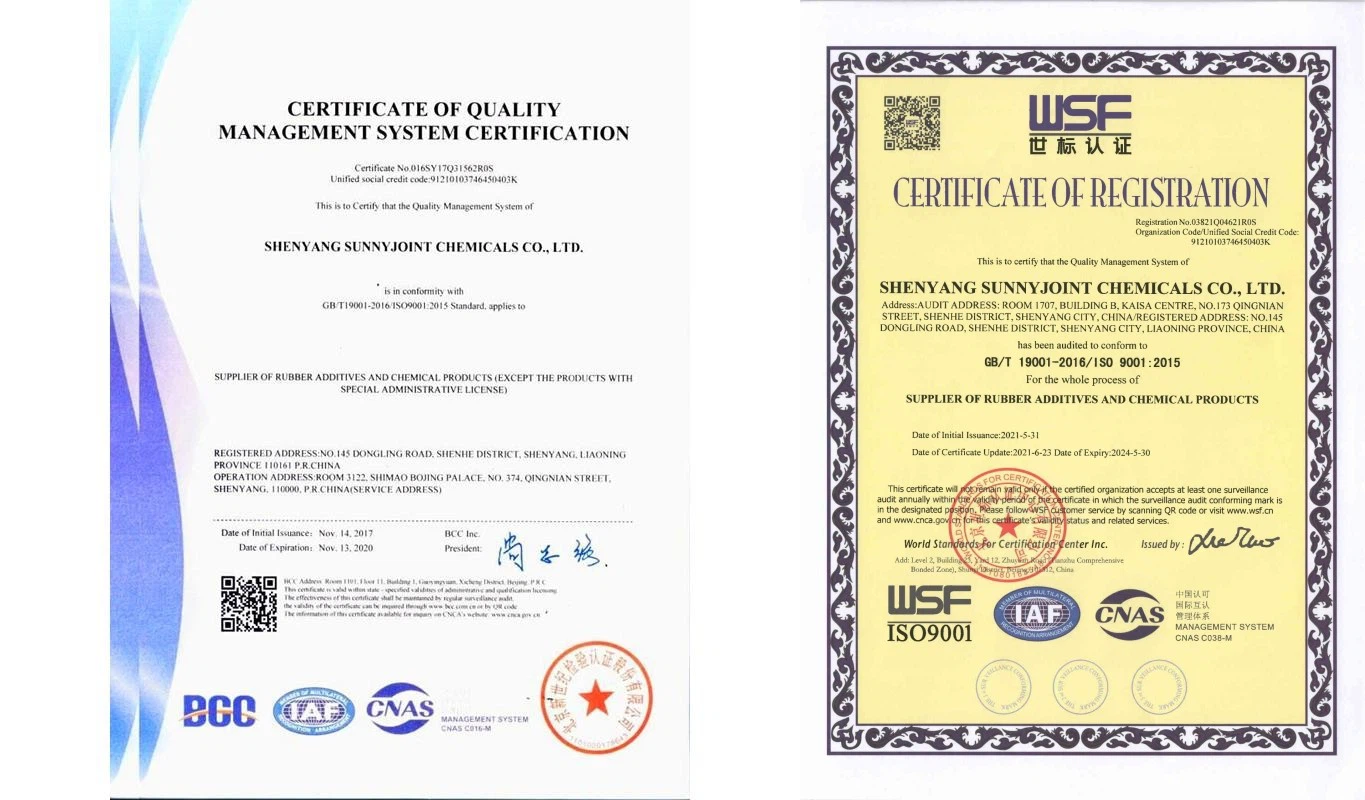
As a professional China rubber accelerator manufacturer and suppliers, we supply rubber chemical, rubber additive and prepared rubber products with high quality and best price. Feel free to buy our quality rubber accelerator.
