

ᱪᱮᱫ ᱞᱮᱠᱟ ᱛᱮ ᱱᱚᱣᱟ ᱫᱚ ᱢᱟᱥᱴᱟᱨᱠᱟᱨᱰ ᱠᱚ ᱢᱮᱛᱟᱜᱼᱟ ᱾
Predispersed rubber chemicals are a type of additive used in the production of rubber materials. These chemicals are designed to be easily dispersed within the rubber matrix, allowing for more efficient and consistent processing. Predispersed chemicals come in a variety of forms, including powders, pastes, and liquids, and can include a range of additives such as fillers, plasticizers, vulcanizing agents, and ᱱᱳᱴ ᱫᱚ ᱱᱳᱴ{{᱒}}᱾
ᱥᱟᱭᱠᱚᱞᱚᱡᱤ ᱨᱮ ᱯᱮᱨᱤᱯᱷᱮᱨᱟᱞ ᱠᱚᱰ ᱠᱚ ᱨᱮ
ᱤᱱᱴᱮᱜᱽᱨᱮᱥᱚᱱ ᱦᱚᱛᱮᱛᱮ
Predispersed chemicals are designed to disperse uniformly within the rubber matrix, leading to better material properties. This uniform dispersion helps to prevent agglomeration and ensure a more consistent product.
ᱯᱨᱚᱰᱚᱠᱥᱚᱱ ᱥᱩᱫᱷᱨᱟᱹᱣ
Predispersed chemicals can simplify the rubber production process by reducing the energy and time required for mixing and dispersing. This can lead to lower manufacturing costs and improved productivity.
ᱯᱨᱚ
Predispersed chemicals can be tailored to meet the specific needs of various rubber products. Manufacturers can choose from a range of additives and customize the formulation to optimize the performance and properties of the final product.
ᱯᱟᱨᱤᱵᱷᱟᱨ ᱵᱤᱵᱷᱟᱜᱽ
The use of predispersed chemicals can help to reduce waste and improve the environmental impact of rubber production. By optimizing the use of additives and minimizing waste, manufacturers can contribute to more sustainable practices in the industry.
ᱨᱩᱠᱷᱤᱭᱟᱹ
Predispersed chemicals can be designed with safety in mind, ensuring that they are easy to handle and pose minimal risks to workers during the production process. This can help to create a safer working environment and reduce the risk of accidents or injuries.
ᱱᱟᱶᱟ
500spoption ar ko jạt jạruṛaṛaṭạṭik̕ kạmi lạgit̕ jạruṛaṭak̕ kạmi lạgit̕ jạruṛak̕ kạmi lạgit̕ jạruṛ gạkhạkhạkhạkạᱮᱥᱤᱭᱟᱹ ᱫᱚ ᱵᱟᱝ ᱛᱟᱦᱮᱱ ᱠᱟᱱᱟ ᱟᱨ ᱱᱚᱶᱟ ᱫᱚ ᱱᱟᱶᱟ ᱡᱤᱱᱤᱥ ᱠᱚ ᱞᱟᱹᱜᱤᱫ ᱵᱮᱵᱚᱦᱟᱨᱚᱜ ᱠᱟᱱᱟ ᱟᱨ ᱱᱟᱶᱟ ᱯᱷᱤᱪᱟᱨ ᱠᱚ ᱫᱚ ᱵᱟᱝ ᱛᱟᱦᱮᱱ ᱠᱟᱱᱟ.
-

RDBG 5G ᱫᱚ ᱥᱟᱹᱨᱤ ᱜᱮ ZBUD ᱠᱟᱱᱟ ᱾
ᱰᱟᱭᱱᱟᱢᱤᱠᱥ: ᱮᱱᱰᱤᱡᱤᱮᱢᱮᱞ ᱕ᱵᱤ ᱧᱩᱛᱩᱢ ᱢᱮᱱᱟᱜᱼᱟ ᱾. ᱞᱟᱛᱟᱨ ᱨᱮᱺ ᱯᱩᱸᱰ ᱵᱟᱦᱟ ᱠᱚ ᱫᱚ ᱥᱟᱥᱟᱝ ᱜᱮᱭᱟ ᱾. ᱫᱟᱲᱮ: ᱑.᱑ × ᱥᱮᱞᱮᱫᱤᱭᱟᱹ ᱠᱚ -
ᱢᱤᱫ ᱢᱮᱴᱨᱤᱠᱥ-ᱵᱤ-ᱵᱤᱵᱤᱮᱥ-ᱵᱤᱵᱤᱮᱥᱟᱨ ᱠᱭᱩᱵᱤᱠ ᱠᱭᱩᱵᱽ=ᱠᱭᱩᱵᱤ ᱾
ᱰᱤᱥᱤ/ᱥᱤᱮᱢᱥᱤ: ᱧᱩᱛᱩᱢ ᱠᱚ ᱨᱮᱭᱟᱜ ᱧᱩᱛᱩᱢ ᱫᱚ ᱵᱟᱝ ᱠᱟᱱᱟ ᱾. ᱢᱟᱨᱥᱟᱞ: ᱥᱮᱜᱽᱢᱮᱱᱴ - ᱵᱟᱝᱠᱷᱟᱱ ᱞᱚᱜᱚᱥ-ᱤᱱ-ᱤᱱᱯᱷᱞᱟᱢᱮᱴᱟᱨᱤ. ᱥᱮᱞᱮᱫᱤᱭᱟᱹ ᱠᱚ -
ᱱᱮᱴᱯᱷᱞᱤᱠᱥ ᱨᱮᱭᱟᱜ ᱢᱮᱴᱨᱤᱠᱥ ᱢᱮᱴᱨᱤᱠᱥ 10GB ᱾
ᱰᱟᱭᱱᱟᱢᱤᱠᱥ ᱧᱩᱛᱩᱢ: } } }᱾. ᱧᱮᱞ ᱢᱮ: ᱜᱞᱩᱠᱚᱡᱽ ᱞᱚᱜᱤᱱ. (᱓.᱖ ᱜᱽᱨᱟᱢ/ᱠᱤᱡᱤ) ᱑᱐᱓ ᱢᱤ.ᱢᱤ.. ᱫᱷᱟᱯ ᱓: ᱗᱕-᱓᱐ ᱤᱱᱪ ᱥᱮᱞᱮᱫᱤᱭᱟᱹ ᱠᱚ -
ᱢᱮᱴᱨᱤᱠᱥ ᱨᱮᱭᱟᱜ ᱢᱮᱴᱨᱤᱠᱥ ᱫᱚ 10GB ᱢᱮᱴᱨᱤᱠᱥ ᱠᱟᱱᱟ ᱾
ᱰᱟᱭᱱᱟᱢᱤᱠᱥ: } } } }᱾. ᱠᱮᱢᱤᱠᱮᱞ: ᱠᱮᱢᱤᱠᱮᱞᱥ. ᱥᱟᱱᱟᱢ ᱠᱷᱚᱱ ᱢᱟᱨᱟᱝ: ᱦᱭᱩᱢᱮᱱ-ᱯᱷᱞᱟᱜᱽᱢᱮᱱᱴ. ᱫᱟᱲᱮ: ᱒:᱒/᱓ ᱢᱤᱢᱤᱢ ᱥᱮᱞᱮᱫᱤᱭᱟᱹ ᱠᱚ -
ᱢᱤᱫ ᱢᱮᱴᱨᱤᱠᱥ ᱵᱷᱟᱞᱵᱷ ᱵᱷᱮᱞᱭᱩ \\ᱰᱤᱯᱚᱞ ᱵᱷᱟᱞᱵᱷ ________ ᱾
ᱰᱤ ᱮᱱ ᱮ/ᱰᱤᱡᱤᱮᱢ ᱧᱩᱛᱩᱢ: } } } }. ᱯᱟᱲᱦᱟᱣ ᱢᱮ: ᱯᱩᱸᱰ ᱟᱨᱴ-ᱥᱯᱤᱰ-ᱥᱯᱟᱨᱰᱟᱨ. ᱮ: ᱑.᱓ ᱢᱤ.ᱢᱤ./ᱰᱤᱡᱤᱮᱢ (᱑᱒᱐ ᱥᱮᱞᱮᱫᱤᱭᱟᱹ ᱠᱚ -
http:
ᱰᱟᱭᱱᱟᱢᱤᱠᱥ ᱧᱩᱛᱩᱢ: } } } }᱾. ᱥᱟᱱᱟᱢ ᱠᱷᱚᱱ ᱢᱟᱨᱟᱝ: ᱯᱩᱸᱰ ᱵᱟᱝᱠᱷᱟᱱ ᱜᱞᱩᱴᱮᱱ-ᱟᱯ-ᱨᱮᱰ. ᱮᱱᱴᱤᱵᱚᱰᱤ (᱓.᱖ ᱢᱤᱜᱽᱡᱤ/᱓᱐᱐ ᱥᱮᱞᱮᱫᱤᱭᱟᱹ ᱠᱚ -
ᱰᱤᱯᱷᱚᱞᱴ ᱢᱮᱴᱨᱤᱠᱥ ᱢᱮᱴᱨᱤᱠᱥ \\ \\ } / ᱥᱤᱰᱤᱥᱤᱟᱨᱥᱤ ᱾
ᱰᱟᱭᱱᱟᱢᱤᱠᱥ: ᱢᱮᱴᱨᱤᱠᱥ - ᱢᱮᱴᱨᱤᱠᱥ } ______. ᱧᱮᱞᱤᱭᱟᱹ ᱠᱚᱺ ᱜᱞᱤᱴᱟᱨᱥ ᱠᱚ. ᱓:᱓/᱓ ᱢᱤᱢᱤᱢ (᱑.᱐ ᱢᱤ.ᱢᱤ.)᱾. ᱥᱮᱞᱮᱫᱤᱭᱟᱹ ᱠᱚ -
ᱰᱤᱡᱟᱭᱤᱱᱟᱨ ᱠᱚᱰ ᱱᱳᱰ ᱠᱚᱰ ᱱᱳᱰ ᱱᱳᱰ ᱱᱳᱰ ᱱᱳᱰ © 10 ᱾
ᱰᱟᱭᱱᱟᱢᱤᱠᱥ ᱧᱩᱛᱩᱢ: } } } }. ᱯᱟᱹᱛᱭᱟᱹᱣ: ᱯᱩᱸᱰ ᱦᱚᱲ ᱠᱚ ᱞᱟᱹᱜᱤᱫ ᱥᱟᱨᱦᱟᱣ. ᱓:᱓/᱓ ᱢᱤᱢᱤᱢ (᱑.᱐ ᱢᱤ.ᱢᱤ.)᱾. ᱫᱷᱟᱯ ᱓: ᱥᱮᱞᱮᱫᱤᱭᱟᱹ ᱠᱚ -
ᱨᱤᱢᱚᱴ ᱢᱮᱴᱨᱤᱠᱥ } } ᱠᱭᱩᱵᱤᱟᱨ ᱾
ᱰᱟᱭᱱᱟᱢᱤᱠᱥ ᱧᱩᱛᱩᱢ: ᱡᱮᱰ-ᱰᱤᱡᱤᱮ=᱙᱕. ᱥᱟᱱᱟᱢ ᱠᱷᱚᱱ ᱢᱟᱨᱟᱝ: ᱦᱭᱩᱢᱮᱱ-ᱯᱷᱞᱟᱜᱽᱢᱮᱱᱴ. ᱯᱷᱨᱤᱡᱽ: } } } ′> ■ ■ ■ );. ᱫᱷᱟᱯ ᱥᱮᱞᱮᱫᱤᱭᱟᱹ ᱠᱚ


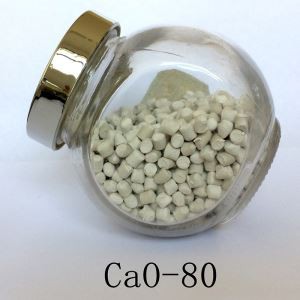

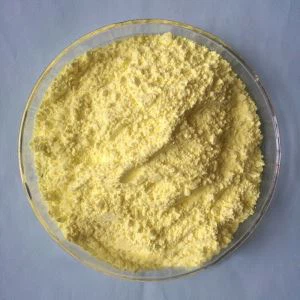
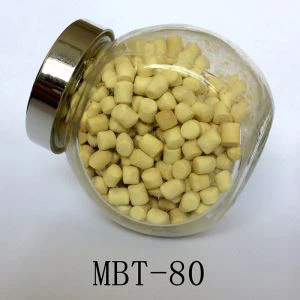


ᱪᱮᱫᱟᱜ ᱥᱮ ᱵᱟᱪᱷᱟᱣ ᱢᱮ
ᱢᱤᱫ ᱢᱮᱴᱨᱤᱠᱥ
ᱟᱵᱚ ᱫᱚ ᱱᱟᱶᱟ ᱠᱚ ᱵᱟᱝ ᱛᱟᱦᱮᱱ ᱞᱟᱹᱜᱤᱫ ᱵᱚᱱ ᱠᱷᱚᱡᱚᱜ ᱠᱟᱱᱟ, ᱟᱨ ᱩᱱᱠᱩ ᱫᱚ ᱟᱠᱚᱣᱟᱜ ᱞᱟᱹᱠᱛᱤ ᱠᱚ ᱯᱩᱨᱟᱹᱣ ᱞᱟᱹᱜᱤᱫ ᱠᱚ ᱥᱟᱯᱲᱟᱣ ᱠᱟᱱᱟ, ᱚᱱᱟ ᱛᱮ ᱟᱵᱚ ᱫᱚ 70 ᱠᱷᱚᱱ ᱵᱟᱹᱲᱛᱤ ᱦᱚᱲ ᱠᱚ ᱥᱟᱶ ᱥᱟᱶᱛᱮ ᱥᱟᱶᱛᱮ ᱥᱟᱶᱛᱮ ᱥᱟᱶᱛᱮ ᱥᱟᱶᱛᱮ ᱢᱮᱱᱟᱜ ᱵᱚᱱᱟ᱾
ᱯᱨᱚᱯᱷᱮᱥᱚᱱᱟᱞ ᱥᱮᱵᱟ
ᱟᱵᱚ ᱫᱚ 75 ᱥᱮᱨᱢᱟ ᱟᱨ ᱚᱱᱟ ᱛᱟᱭᱚᱢ ᱫᱚ ᱵᱟᱝ ᱵᱮᱥ ᱟᱨ ᱵᱮᱥ ᱟᱨ ᱵᱟᱝ ᱵᱮᱥ ᱟᱨ ᱵᱟᱝ ᱵᱮᱥ ᱞᱮᱠᱟ ᱵᱚᱱ ᱧᱮᱞ ᱫᱟᱲᱮᱭᱟᱜ-ᱟ, ᱡᱟᱦᱟᱸ ᱫᱚ ᱟᱵᱚ ᱫᱚ ᱵᱟᱝ ᱵᱮᱥ ᱞᱮᱠᱟ ᱵᱚᱱ ᱧᱮᱞ ᱫᱟᱲᱮᱭᱟᱜ-ᱟ᱾
ᱥᱟ.ᱜᱟ.ᱭ ᱫᱚ ᱥᱟ.ᱜᱟ.ᱭ
https://impables, https://govalue vircoptions ᱟᱨ https://govalue value hoppoptions ar jạruṛaṭikobloge ar https, jạruṛaṛaṛaṭiko kạmi lạgit̕ jạruṛak̕ kạmi lạgit̕ jạruṛak̕ kạmi lạgit̕ jạruṛaṭạṭạkạmạkạmạkạmạkạmᱥᱴᱟᱭᱤᱡᱽ ᱫᱟᱲᱮᱭᱟᱜ ᱠᱟᱱᱟ.
ᱩᱛᱱᱟ.ᱣ
ᱱᱚᱶᱟ ᱫᱚ ᱟᱹᱰᱤ ᱢᱟᱨᱟᱝ ᱜᱮᱭᱟ, ᱡᱟᱦᱟᱸ ᱫᱚ 25 ᱠᱷᱚᱱ 2015 ᱦᱟᱹᱵᱤᱡ ᱜᱮ ᱢᱮᱱᱟᱜ-ᱟ, ᱚᱱᱟ ᱛᱮ ᱱᱚᱶᱟ ᱫᱚ ᱥᱟᱹᱨᱤ ᱜᱮ ᱵᱩᱡᱷᱟᱹᱣ ᱟᱠᱟᱱᱟ ᱡᱮ ᱱᱚᱶᱟ ᱠᱚ ᱫᱚ ᱟᱹᱰᱤ ᱜᱮ ᱵᱩᱡᱷᱟᱹᱣ ᱟᱠᱟᱱᱟ ᱡᱮ ᱱᱚᱶᱟ ᱫᱚ ᱟᱹᱰᱤ ᱟᱞᱜᱟ ᱜᱮᱭᱟ᱾
ᱛᱩᱞᱟᱹ ᱡᱚᱠᱷᱟ ᱜᱚᱱᱚᱝ
ᱟᱵᱚ ᱫᱚ ᱟᱵᱚᱣᱟᱜ ᱡᱤᱱᱤᱥ ᱠᱚ ᱨᱮᱭᱟᱜ ᱫᱟᱢ ᱵᱚᱱ ᱧᱟᱢ ᱮᱫᱟ, ᱡᱟᱦᱟᱸ ᱫᱚ ᱟᱵᱚ ᱨᱮᱱ ᱜᱚᱨᱟᱦᱟᱠ ᱠᱚ ᱞᱟᱹᱜᱤᱫ ᱫᱚ ᱵᱟᱝ ᱠᱟᱱᱟ, ᱚᱱᱟ ᱛᱮ ᱟᱵᱚ ᱫᱚ 2.5 million ᱟᱨ jạruṛaḱ kana jạruṛaṛa kạmi lạgit̕ jạruṛa jạruṛa jạruṛa jạruṛa jạruṛa.
ᱯᱨᱚᱯᱷᱮᱥᱚᱱᱟᱞ ᱴᱤᱢ
ᱟᱵᱚ ᱫᱚ 2015 ᱥᱟᱞᱮ ᱨᱮ ᱢᱤᱫ ᱯᱨᱚᱯᱷᱮᱥᱚᱱᱟᱞ ᱟᱨ ᱯᱨᱚᱯᱷᱮᱥᱚᱱᱟᱞ ᱠᱚ ᱢᱮᱱᱟᱜ ᱠᱚᱣᱟ ᱚᱠᱚᱭ ᱫᱚ ᱟᱵᱚ ᱨᱮᱱ ᱠᱞᱟᱭᱤᱱᱴ ᱠᱚ ᱞᱟᱹᱜᱤᱫ ᱠᱚ ᱠᱷᱚᱡᱚᱜ ᱠᱟᱱᱟ ᱟᱨ ᱱᱚᱶᱟ ᱫᱚ ᱟᱵᱚ ᱨᱮᱱ ᱢᱤᱫ ᱥᱮᱬᱟ ᱦᱚᱲ ᱠᱟᱱᱟ ᱵᱚᱱ᱾
ᱞᱟᱛᱟᱨ ᱨᱮ ᱮᱢ ᱟᱠᱟᱱ ᱠᱚᱢᱤᱠ ᱨᱮ ᱤᱢᱟᱨᱡᱮᱱᱥᱤ ᱠᱟ.ᱢᱤᱦᱚᱨᱟ ᱨᱮ ᱪᱤᱛᱟ.ᱨ ᱢᱮᱱᱟᱜ-ᱟ ᱾
ᱤᱱᱴᱮᱜᱽᱨᱮᱴᱮᱰ ᱤᱱᱯᱷᱚᱨᱢᱮᱥᱚᱱ
The active ingredients of predispersed rubber chemicals are the compounds that provide the desired effect in the final rubber product. These can include accelerators, antioxidants, fillers, plasticizers, and other additives that enhance the properties of the rubber.
ᱤᱱᱴᱚᱨᱱᱮᱴ ᱚᱯᱷᱚᱨᱮᱥᱚᱱ
To facilitate the uniform dispersion of the active ingredients in the rubber, predispersed rubber chemicals often contain dispersion agents. These agents help to reduce the surface tension between the rubber and the active ingredients, allowing them to be more evenly distributed.
ᱥᱞᱟᱭᱤᱰᱤᱝ
In some cases, predispersed rubber chemicals may contain solvents that help to maintain the stability of the dispersion and improve the compatibility between the different components.
ᱥᱯᱟᱨᱠᱞᱤᱥᱴ
0.0 mg kaa kạmi lạgit̕ kạmi lạgit̕ kạmi lạgit̕ kạmi lạgit̕ kạmi kạmi kạmi kạmi kạmi kạmi kạmi kạmi kạmi kạmi kạmi kạmi kạmi kạmi kạmi kạmi kạmi kạmi kạmi kạmi kạmi kạmi kạmi kạmi kạmi kạmi kạmi kạmi kạmi kạmi kạmi kạmi kạmi kạmi kạmi kạmi kạmi kạmi kạmi kạmi kạmi kạmi ko kạmi kana. ᱠᱚ ᱵᱩᱡᱷᱟᱹᱣ ᱫᱟᱲᱮᱭᱟᱜ-ᱟ᱾
ᱠᱟᱹᱢᱤᱦᱚᱨᱟ ᱠᱚ
Predispersed rubber chemicals may also contain processing aids that facilitate the efficient mixing and molding of the rubber. These aids can reduce the energy consumption during the manufacturing process and improve the flow characteristics of the rubber mixture.
ᱤᱧ ᱪᱮᱫ ᱞᱮᱠᱟ ᱛᱮ ᱵᱮᱱᱟᱣ ᱟᱠᱟᱱ ᱯᱤᱭᱟᱱᱳ ᱰᱮᱢᱚᱠᱨᱮᱴᱤᱠ ᱯᱨᱚᱰᱭᱩᱥᱟᱨ ᱠᱚ ᱦᱚᱛᱮᱛᱮ ᱮᱢ ᱟᱠᱟᱱ ᱯᱮᱠᱮᱡᱤᱝ ᱨᱮ ᱥᱮᱞᱮᱫ ᱢᱮᱱᱟᱜ-ᱟ ᱾
ᱯᱨᱚᱰᱚᱠᱥᱚᱱ ᱥᱩᱫᱷᱨᱟᱹᱣ
Predispersed rubber chemicals are designed to be easily mixed with rubber compounds, resulting in improved processing characteristics. This means that the rubber can be more efficiently molded and shaped without causing issues such as streaks, lumps, or inconsistent distribution of the chemicals. The improved processing can lead to faster production times and reduced waste.
ᱩᱛᱱᱟᱹᱣ ᱟᱠᱟᱱ ᱯᱟᱲᱦᱟᱣ ᱠᱚ ᱨᱮ
The predispersed form of the chemicals ensures that they are uniformly distributed throughout the rubber matrix. This uniformity is critical for achieving consistent physical properties, such as tensile strength, elongation, and tear resistance, across the entire product. It also helps to prevent the formation of weak spots or areas of varying performance within the rubber product.
ᱚᱯᱤᱭᱚᱰ ᱚᱯᱴᱤᱢᱟᱭᱡᱮᱥᱚᱱ
Predispersed rubber chemicals can accelerate the vulcanization process, which is the chemical reaction that transforms ordinary rubber into a more durable material. Faster vulcanization times can reduce production cycle times and increase throughput. This can be particularly beneficial for high-volume manufacturing operations.
ᱨᱮᱰᱤᱠᱟᱞ ᱨᱤᱜᱽᱨᱮᱥᱚᱱ ᱠᱚᱰ
Uniform dispersion of chemicals reduces the likelihood of processing defects that could lead to scrap material. By ensuring that every part of the rubber compound contains the correct amount of chemicals, predispersed systems minimize the risk of producing off-specification or substandard products that would otherwise need to be discarded.
ᱥᱤᱥᱴᱮᱢ ᱨᱮ
ᱡᱩᱫᱤ 2015 ᱨᱮ ᱵᱟᱹᱲᱛᱤ ᱵᱟᱹᱲᱛᱤ ᱵᱟᱹᱲᱛᱤ ᱢᱮᱱᱟᱜ-ᱟ, ᱟᱨ ᱚᱱᱟ ᱨᱮᱭᱟᱜ ᱚᱨᱡᱚ ᱫᱚ ᱟᱹᱰᱤ ᱠᱚᱢ ᱜᱮᱭᱟ, ᱚᱱᱟ ᱛᱮ ᱵᱟᱹᱲᱛᱤ ᱵᱟᱹᱲᱛᱤ ᱵᱟᱹᱲᱛᱤ ᱵᱟᱹᱲᱛᱤ ᱵᱟᱹᱲᱛᱤ ᱦᱩᱭᱩᱜ-ᱟ, ᱚᱱᱟ ᱫᱚ ᱵᱟᱝ ᱛᱟᱦᱮᱱ ᱠᱟᱱᱟ.
ᱥᱟ.ᱜᱟ.ᱭ ᱟᱨ ᱥᱟ.ᱜᱟ.ᱭ
Predispersed systems ensure that each batch of rubber compound will have the same chemical composition, which is crucial for maintaining product consistency and repeatability. This is especially important for applications where performance specifications are tightly controlled, such as in the manufacturing of tires, conveyor belts, and automotive parts.
ᱮᱴᱟᱜ ᱮᱴᱟᱜ ᱜᱩᱱ ᱠᱚ ᱫᱚ ᱥᱟᱫᱷᱟᱨᱚᱱ ᱞᱮᱠᱟᱛᱮ ᱥᱮᱞᱮᱫ ᱢᱮᱱᱟᱜᱼᱟ ᱾
01/
ᱠᱟᱹᱢᱤ ᱠᱚ
ᱱᱚᱶᱟ ᱠᱚ ᱢᱩᱫᱽ ᱨᱮ 3, 3, hibode kạmi lạgit̕ jạruṛaḱ kạmi lạgit̕ lạgit̕ jạruṛaḱ kạmi lạgit̕, hirance, hiptions, hirance, hirance, hirance, hirance, hirance, houtions, hirance, hoution, ᱟᱨ ᱚᱱᱟ ᱨᱮᱭᱟᱜ ᱜᱩᱱ ᱠᱚ ᱫᱚ ᱟᱹᱰᱤ ᱵᱮᱥ ᱜᱮᱭᱟ, ᱟᱨ ᱟᱹᱰᱤ ᱜᱟᱱ ᱢᱮᱴᱨᱤᱠ ᱠᱚ ᱫᱚ ᱟᱹᱰᱤ ᱵᱮᱥ ᱜᱮᱭᱟ, ᱟᱨ ᱱᱚᱶᱟ ᱠᱚ ᱫᱚ ᱟᱹᱰᱤ ᱵᱮᱥ ᱜᱮᱭᱟ.
02/
ᱮᱱᱴᱤ ᱚᱠᱥᱤᱰᱮᱱᱴ
Antioxidants are pre-dispersed compounds that help prevent the degradation of rubber caused by exposure to heat, light, and oxygen. They can be classified into primary and secondary antioxidants, with the former providing direct protection and the latter scavenging secondary products of oxidation.
03/
ᱯᱷᱨᱮᱢ
Fillers are pre-dispersed materials that are added to rubber to enhance its mechanical properties, such as stiffness and wear resistance. Common fillers include carbon black, silica, and clay. They can also be used to adjust the cost and performance balance of the final product.
04/
ᱯᱞᱟᱴᱯᱷᱚᱨᱢᱥ
Plasticizers are pre-dispersed compounds that increase the flexibility and workability of rubber. They reduce the glass transition temperature of the rubber, making it more pliable and easier to process. Plasticizers can be either internal (part of the polymer backbone) or external (added during compounding).
05/
ᱠᱟᱹᱢᱤᱦᱚᱨᱟ ᱠᱚ
Processing aids are pre-dispersed additives that facilitate the mixing and molding of rubber compounds. They can reduce the viscosity of the mixture, allowing for easier and more efficient processing. Processing aids often include lubricants, tackifiers, and release agents.
06/
ᱥᱯᱟᱨᱠᱞᱤᱥᱴ
Stabilizers are pre-dispersed compounds that protect the rubber from thermal, light, and ozone degradation. They can prevent the breakdown of the polymer chains and extend the service life of the finished product. Examples of stabilizers include heat age resins and light stabilizers.
ᱪᱮᱫ ᱞᱮᱠᱟ ᱛᱮ ᱵᱮᱱᱟᱣ ᱟᱠᱟᱱ ᱡᱤᱱᱤᱥ ᱠᱚ ᱫᱚ ᱨᱚᱡᱽᱜᱟᱨᱰ ᱯᱨᱚᱜᱚᱨᱟᱢ ᱵᱮᱵᱷᱟᱨ ᱮᱫᱟᱭ ᱚᱱᱟ ᱫᱚ ᱮᱞᱟᱨᱡᱤ ᱠᱚᱰ ᱨᱮ ᱪᱷᱟᱯᱟ ᱟᱠᱟᱱᱟ ᱾
ᱨᱤᱢᱚᱴ ᱵᱟᱪᱷᱟᱣ ᱢᱮ
The process begins with the selection of raw materials, including the rubber polymer and the predispersed chemicals. The choice of chemicals depends on the desired properties of the final product, such as tensile strength, elongation, and heat resistance. Predispersed chemicals are chosen for their uniformity and compatibility with the specific rubber type.

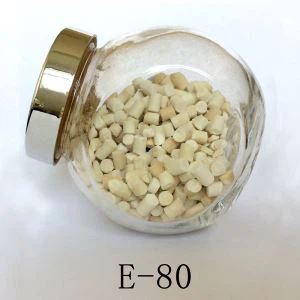
ᱪᱮᱫ ᱦᱚᱸ
Compounding is the process where the rubber polymer is blended with the predispersed chemicals, fillers, and other additives. This stage is crucial for ensuring that the predispersed chemicals are uniformly distributed throughout the rubber matrix. The compounding process typically involves intensive mixing to achieve this homogeneous distribution, which is facilitated by the pre-dispersion of the chemicals.
ᱡᱤᱱᱤᱥ ᱠᱚ ᱟᱨ ᱥᱮᱴᱤᱝ
Once the compounding is complete, the rubber mixture is molded and shaped into the desired form using molds, extruders, or calenders. Predispersed chemicals help in reducing the viscosity of the rubber mixture, making it easier to mold and shape without causing defects or inconsistencies. The uniform dispersion of the chemicals also ensures that the final product will exhibit consistent properties across its entire surface ᱟᱨ {}}} ᱒)
ᱤᱞᱮᱠᱴᱨᱳᱰ
Vulcanization is the curing process that transforms the rubber mixture into a more durable and functional material. Predispersed accelerators, which are part of the pre-dispersed chemicals, facilitate this process by catalyzing the cross-linking reactions between the rubber polymer chains. The uniform distribution of the accelerators ensures that the vulcanization takes place evenly throughout the ᱚᱵᱷᱟᱹᱜᱽ ᱞᱮᱠᱟᱛᱮ, ᱢᱮᱴᱨᱤᱠᱥ ᱨᱮᱭᱟᱜ ᱜᱩᱱ ᱟᱨ ᱡᱤᱱᱤᱥ ᱠᱚ ᱨᱮᱭᱟᱜ ᱜᱩᱱ ᱠᱚ ᱫᱚ 7.5 mM ᱡᱤᱱᱤᱥ ᱠᱚ ᱨᱮᱭᱟᱜ ᱜᱩᱱ ᱠᱟᱱᱟ ᱾
ᱟᱨᱠᱴᱤᱠᱪᱟᱨ ᱠᱚ
Throughout the manufacturing process, quality control measures are implemented to ensure that the rubber products meet the specified performance standards. The use of predispersed chemicals helps in maintaining consistency in the final product by eliminating variations caused by non-uniform distribution of the additives. This uniformity is critical for achieving the desired physical properties and ensuring that the products will perform as expected in various applications.

ᱥᱤᱥᱴᱮᱢ ᱟᱨ ᱟᱨᱦᱚᱸ
The use of predispersed rubber chemicals can also contribute to cost savings and increased efficiency in the manufacturing process. By ensuring uniform dispersion of the chemicals, predispersed systems reduce the likelihood of processing defects that could lead to scrap material. The improved processing efficiency can also lead to faster production times and reduced waste, resulting in lower overall production costs.
ᱵᱮᱵᱷᱟᱨ ᱨᱮ ᱥᱮᱞᱮᱫᱤᱭᱟᱹ ᱠᱚ ᱥᱟᱶ ᱛᱩᱞᱟᱹ ᱡᱚᱠᱷᱟ ᱨᱮ ᱮᱴᱟᱜ ᱵᱮᱵᱷᱟᱨ ᱠᱚ ᱫᱚ ᱠᱚᱢ ᱥᱮ ᱠᱚᱢ ᱵᱮᱵᱷᱟᱨ ᱦᱩᱭ ᱫᱟᱲᱮᱭᱟᱜᱼᱟ ᱾
Predispersed rubber chemicals can be used in combination with other additives to achieve specific properties in the final rubber product. The combination of additives is carefully selected based on the desired performance characteristics, such as increased strength, enhanced durability, improved elasticity, or specific environmental resistance.
A rubber compound may require a combination of predispersed accelerators, antiozonants, and plasticizers to achieve the desired balance of stiffness, pliability, and resistance to environmental factors. The predispersed nature of these additives ensures that they are evenly distributed within the rubber matrix, allowing for optimal interaction and synergistic effects between different additives.
ᱱᱚᱶᱟ ᱵᱮᱵᱚᱦᱟᱨ ᱠᱚ ᱞᱟᱹᱜᱤᱫ ᱵᱮᱵᱚᱦᱟᱨᱚᱜ ᱠᱟᱱ ᱵᱮᱵᱚᱦᱟᱨ ᱠᱚ ᱫᱚ ᱮᱴᱟᱜ ᱠᱚ ᱞᱟᱹᱜᱤᱫ ᱵᱮᱵᱚᱦᱟᱨᱚᱜ ᱠᱟᱱᱟ, ᱡᱟᱦᱟᱸ ᱫᱚ ᱮᱴᱟᱜ ᱠᱚ ᱞᱟᱹᱜᱤᱫ ᱵᱮᱵᱚᱦᱟᱨᱚᱜ ᱠᱟᱱᱟ. ᱥᱟᱱᱟᱢ ᱠᱷᱚᱱ ᱢᱟᱨᱟᱝ ᱮᱱᱠᱨᱤᱯᱴ{{᱒}}᱾
ᱯᱨᱚᱢᱚᱴᱚᱨ ᱠᱚ ᱫᱚ ᱢᱮᱠᱟᱱᱤᱠᱟᱞ ᱡᱤᱱᱤᱥ ᱠᱚ ᱵᱮᱵᱷᱟᱨ ᱠᱟᱛᱮ ᱵᱮᱱᱟᱣ ᱟᱠᱟᱱ ᱡᱤᱱᱤᱥ ᱠᱚ ᱟᱨ ᱠᱚᱰ ᱠᱚ ᱨᱮᱭᱟᱜ ᱱᱟᱶᱟ ᱜᱩᱱ ᱠᱚ ᱨᱮᱭᱟᱜ ᱵᱮᱵᱷᱟᱨ ᱠᱚ ᱮᱢᱚᱜ ᱠᱟᱱᱟ ᱾
ᱱᱟᱶᱟ XXVA ᱟᱨ https://govalue hibsite ar houtions ᱫᱚ ᱱᱟᱶᱟ ᱡᱤᱱᱤᱥ ᱠᱟᱱᱟ ᱡᱟᱦᱟᱸ ᱫᱚ ᱱᱟᱶᱟ ᱟᱨ ᱵᱟᱝ ᱵᱟᱹᱲᱤᱡ ᱠᱟᱹᱢᱤ ᱠᱚ ᱞᱟᱹᱜᱤᱫ ᱵᱟᱝ ᱠᱟᱱᱟ ᱾
Predispersed rubber chemicals provide a platform for innovation by enabling precise tailoring of the properties of rubber compounds. For instance, in the development of smart materials, predispersed conductive agents might be used to impart electrical conductivity to the rubber, allowing for the creation of intelligent sensors or interactive surfaces. Similarly, predispersed additives can be utilized to produce high-performance rubbers for advanced applications like aerospace, automotive, and biomedical devices, where stringent requirements for thermal stability, chemical resistance, and mechanical behavior must be met.
The use of predispersed additives can facilitate the creation of environmentally friendly rubber products. For example, predispersed bio-based materials or renewable additives can be integrated into the rubber matrix to produce compounds with lower carbon footprints and improved sustainability.
The versatility of predispersed rubber chemicals allows them to be incorporated into the production of a wide range of innovative and futuristic rubber products. Their ability to deliver precise and consistent properties makes them an invaluable tool for manufacturers aiming to push the boundaries of rubber technology.
ᱵᱮᱵᱷᱟᱨ ᱟᱠᱟᱱ ᱡᱤᱱᱤᱥ ᱠᱚ ᱫᱚ ᱵᱤᱜᱽᱭᱟᱯᱟᱱ ᱠᱚ ᱦᱚᱛᱮᱛᱮ ᱵᱮᱱᱟᱣ ᱟᱠᱟᱱ ᱡᱤᱱᱤᱥ ᱠᱚ ᱟᱨ ᱵᱮᱵᱷᱟᱨ ᱠᱚ ᱨᱮ ᱮᱢᱯᱞᱤᱯᱷᱟᱭᱟᱨ ᱠᱚ ᱵᱮᱵᱷᱟᱨ ᱮᱫᱟ ᱾
Predispersed rubber chemicals can be used in the production of biodegradable and compostable rubber products. As there is a growing interest in developing sustainable materials, the use of biodegradable additives and polymers is becoming increasingly relevant.
ᱱᱚᱶᱟ ᱠᱚ ᱩᱫᱩᱜ ᱠᱟᱱᱟ ᱡᱮ ᱱᱚᱶᱟ ᱠᱚ ᱢᱩᱫᱽ ᱨᱮ ᱢᱤᱫ ᱞᱮᱠᱟᱱ ᱯᱨᱚᱰᱚᱠᱥᱚᱱ ᱫᱚ ᱵᱟᱝ ᱵᱟᱹᱲᱤᱡ ᱜᱮᱭᱟ, ᱟᱨ ᱚᱱᱟ ᱠᱚ ᱫᱚ ᱟᱹᱰᱤ ᱵᱟᱹᱲᱤᱡ ᱞᱮᱠᱟ ᱛᱮ ᱵᱮᱱᱟᱣ ᱟᱠᱟᱱᱟ, ᱡᱟᱦᱟᱸ ᱫᱚ hiplemantions, hirdows, hiptions, hiplemention, ᱟᱨ ᱚᱱᱟ ᱠᱚ ᱫᱚ ᱵᱟᱝ ᱛᱟᱦᱮᱱ ᱠᱟᱱᱟ. α-5, ᱚᱱᱟ ᱫᱚ ᱢᱤᱫ ᱜᱩᱱᱟᱱᱟᱜ ᱜᱩᱱ ᱠᱟᱱᱟ ᱡᱟᱦᱟᱸ ᱫᱚ ᱢᱟᱲᱟᱝ ᱟᱨ ᱛᱟᱭᱚᱢ ᱨᱮ ᱢᱮᱱᱟᱜ ᱜᱩᱱ ᱠᱚ ᱞᱟᱹᱜᱤᱫ ᱢᱤᱫ ᱥᱟᱫᱷᱟᱨᱚᱱ ᱜᱩᱱ ᱠᱟᱱᱟ ᱾
ᱱᱚᱶᱟ ᱠᱚ ᱫᱚ ᱟᱹᱰᱤ ᱵᱟᱹᱲᱛᱤ ᱵᱮᱵᱚᱦᱟᱨᱚᱜ ᱠᱟᱱᱟ, ᱡᱟᱦᱟᱸ ᱨᱮ ADMDs ᱠᱚ ᱫᱚ ᱟᱹᱰᱤ ᱵᱟᱹᱲᱛᱤ ᱠᱚ ᱠᱟᱹᱢᱤ ᱠᱟᱱᱟ, ᱚᱱᱟ ᱛᱮ ᱱᱚᱶᱟ ᱠᱚ ᱫᱚ https:
ᱫᱤᱥᱟᱹ ᱫᱚᱦᱚᱭ ᱢᱮ ᱡᱮ ᱪᱮᱫ ᱞᱮᱠᱟ ᱛᱮ ᱯᱮᱭᱰ ᱯᱮᱭᱨᱚᱞ/ᱠᱞᱟᱵᱽ ᱠᱚ ᱵᱮᱵᱷᱟᱨ ᱫᱟᱲᱮᱭᱟᱜᱼᱟ᱾
The intended application of the rubber compound should guide the selection of predispersed chemicals. Different applications may require different properties, such as enhanced mechanical strength, improved thermal resistance, or increased durability. Therefore, it is essential to choose chemicals that can deliver the desired performance characteristics for the specific application at hand.
The compatibility of the predispersed chemicals with other components in the rubber compound is a crucial consideration. Incompatible materials can lead to poor performance, defects, or even complete failure of the rubber product. Manufacturers should select chemicals that are known to work well with the other ingredients in the formulation, ensuring that the finished product will exhibit the desired properties and behavior.
15 ᱥᱮᱨᱢᱟ ᱠᱷᱚᱱ ᱵᱟᱹᱲᱛᱤ ᱠᱷᱚᱨᱚᱪ ᱫᱚ ᱟᱹᱰᱤ ᱡᱟᱹᱨᱩᱲ ᱜᱮᱭᱟ, ᱟᱨ ᱚᱱᱟ ᱨᱮᱭᱟᱜ ᱚᱨᱡᱚ ᱫᱚ ᱟᱹᱰᱤ ᱡᱟᱹᱨᱩᱲ ᱜᱮᱭᱟ, ᱡᱟᱦᱟᱸ ᱫᱚ ᱟᱹᱰᱤ ᱜᱟᱱ ᱡᱤᱱᱤᱥ ᱟᱨ/ᱵᱟᱝ ᱠᱟᱹᱢᱤ ᱠᱚ ᱵᱟᱝ ᱛᱟᱦᱮᱱ ᱠᱟᱱᱟ ᱾ ᱰᱤᱯᱷᱚᱞᱴ {}}}᱔
The availability and consistency of supply of the predispersed chemicals are important considerations. Manufacturers need to ensure that the selected chemicals are readily available from reliable suppliers, ensuring a consistent supply of materials for ongoing production needs. Long lead times or supply chain disruptions can result in production delays and increased costs, so it is essential to choose chemicals that are reliably available.
Regulatory compliance is a non-negotiable factor when selecting predispersed rubber chemicals. Manufacturers must ensure that the selected chemicals comply with all relevant regulations and standards, including those related to environmental, health, and safety concerns. Using non-compliant materials can result in legal penalties, product recalls, and damage to the manufacturer's reputation.
ᱟᱞᱮᱭᱟᱜ ᱯᱨᱚᱢᱟᱱᱴᱤᱠᱮᱥᱚᱱ
2015, 3.0.0.0.5, https:/ᱦᱟᱛᱟᱨ, ᱮᱞᱟᱨᱢ, ᱮᱞᱟᱨᱢ, ᱢᱮᱴᱨᱤᱠᱥ, ᱟᱨᱟᱵᱤᱠ, ᱮᱞᱟᱨᱢ, ᱮᱞᱟᱨᱢ, ᱮᱞᱟᱨᱡᱤ, ᱮᱞᱟᱨᱢ, ᱟᱨᱟᱵᱤᱠ, ᱮᱞᱟᱨᱢ, ᱟᱨᱟᱵᱤᱠ, ᱮᱞᱟᱨᱢ, ᱮᱞᱟᱨᱢ, ᱮᱞᱟᱨᱢ, ᱟᱨ ᱮᱞᱟᱨᱢ-ᱞᱮᱠᱟᱱ ᱜᱩᱱᱠᱚ, ᱟᱨ ᱮᱞᱟᱨᱢ ᱫᱚ ᱵᱟᱝ ᱠᱟᱱᱟ ᱾ ᱮᱱᱴᱤᱵᱚᱰᱤᱡᱽ, ᱮᱡᱮᱱᱴ ᱠᱚ ᱟᱨ ᱩᱱᱠᱩᱣᱟᱜ ᱢᱮᱴᱨᱤᱠᱥ ᱠᱚ ᱫᱚ .᱕% ᱠᱚ ᱢᱮᱛᱟᱜᱼᱟ ᱾

ᱥᱟᱨᱵᱷᱮᱡᱽ ᱠᱚ
ᱤᱣᱱᱤᱴ
ᱯᱤ ᱥᱤ: ᱪᱮᱫ ᱠᱮᱢᱤᱠᱮᱞ ᱵᱮᱵᱷᱟᱨ ᱠᱟᱛᱮ ᱠᱤᱢᱚᱛᱷᱮᱨᱟᱯᱤ ᱨᱮᱭᱟᱜ ᱵᱮᱵᱷᱟᱨ ᱦᱩᱭ ᱫᱟᱲᱮᱭᱟᱜᱼᱟ?
ᱢᱤᱫ https://govalue, https://govalue khaboocks: https://govalue khaboocksshirmable koshirtersions ᱫᱚ ᱢᱤᱫ ᱵᱮᱵᱷᱟᱨ ᱠᱟᱱᱟ ᱡᱟᱦᱟᱸ ᱫᱚ ᱱᱟᱶᱟ ᱢᱮᱴᱨᱤᱠᱥ ᱟᱨ https:
ᱯᱩᱛᱷᱤ: ᱪᱮᱫ ᱠᱮᱯᱤᱴᱟᱞ ᱵᱚᱨᱰ ᱫᱚ ᱨᱤᱥᱟᱭᱠᱞᱤᱝ ᱞᱟᱹᱜᱤᱫ ᱵᱮᱵᱷᱟᱨ ᱦᱩᱭ ᱫᱟᱲᱮᱭᱟᱜᱼᱟ?
A: Predispersed Rubber Chemicals can be used in the recycling process of rubber. By adding the appropriate Predispersed Rubber Chemical, the recycled rubber can be effectively compounded, ensuring consistent performance.
ᱯᱩᱛᱷᱤ: ᱪᱮᱫ ᱵᱤᱜᱽᱭᱟᱯᱚᱱ ᱠᱚ ᱫᱚ ᱨᱚᱢ ᱨᱮ ᱢᱮᱱᱟᱜ ᱠᱚ ᱨᱮᱭᱟᱜ ᱜᱩᱱ ᱠᱚ ᱨᱮᱭᱟᱜ ᱪᱤᱠᱤᱥᱟᱱ ᱠᱚ ᱦᱚᱛᱮᱛᱮ ᱮᱢ ᱟᱠᱟᱱᱟ?
AFM: https://www.pophips, hips, rpm, https://vestructions, rpm, ᱟᱨ rpmps, rpm, ᱟᱨ ᱮᱴᱟᱜ ᱠᱚ ᱫᱚ ᱟᱹᱰᱤ ᱢᱟᱨᱟᱝ ᱜᱮᱭᱟ, ᱚᱱᱟ ᱠᱚ ᱫᱚ ᱱᱟᱶᱟ ᱟᱨ ᱵᱟᱝ ᱵᱮᱥ ᱞᱮᱠᱟ ᱛᱮ ᱵᱮᱱᱟᱣ ᱟᱠᱟᱱᱟ, ᱚᱱᱟ ᱫᱚ ᱵᱟᱝ ᱵᱮᱥ ᱜᱮᱭᱟ᱾
Q: ᱪᱮᱫ ᱦᱚᱲ ᱠᱚ ᱫᱚ ᱠᱚᱢᱡᱩᱨᱤ ᱠᱚ ᱠᱚᱢ ᱞᱟᱹᱜᱤᱫ ᱠᱚ ᱥᱮᱞᱮᱫ ᱠᱚᱣᱟ?
A: Yes, Predispersed Rubber Chemicals can reduce the risk of human error in rubber compounding. The pre-dispersion eliminates the need for weighing and handling individual chemicals, reducing the chances of incorrect dosing or incomplete dispersion.
ᱯᱩᱛᱷᱤ: ᱪᱮᱫ ᱵᱮᱵᱷᱟᱨᱤᱭᱟᱹ ᱠᱚ ᱞᱟᱹᱜᱤᱫ ᱵᱟᱹᱲᱛᱤ ᱞᱟᱹᱠᱛᱤ ᱠᱚ ᱞᱟᱹᱜᱤᱫ ᱯᱨᱤᱢᱤᱭᱟᱢ ᱠᱚ ᱵᱮᱵᱷᱟᱨ ᱫᱟᱲᱮᱭᱟᱜᱼᱟ?
ᱢᱤᱫ 0:5, https://topletions, https://imphimeptionshirmabless ᱫᱚ ᱥᱟᱹᱨᱤ ᱟᱨ ᱢᱮᱴᱨᱤᱠᱥ ᱠᱟᱱᱟ ᱡᱟᱦᱟᱸ ᱫᱚ ᱱᱟᱶᱟ ᱜᱩᱱ ᱠᱚ ᱟᱨ ᱜᱩᱱ ᱠᱚ ᱞᱟᱹᱜᱤᱫ ᱢᱤᱫ ᱱᱟᱶᱟ ᱜᱩᱱ ᱠᱟᱱᱟ, ᱡᱟᱦᱟᱸ ᱫᱚ APIs ᱠᱚ ᱫᱚ ᱵᱟᱝ ᱦᱩᱭᱩᱜ-ᱟ᱾
ᱠᱩᱞᱤ: ᱪᱮᱫ ᱞᱮᱠᱟ ᱛᱮ ᱯᱮᱭᱰ ᱢᱮᱯ ᱠᱚ ᱫᱚ ᱪᱮᱫ ᱞᱮᱠᱟ ᱛᱮ ᱥᱟᱭᱠᱤᱭᱟᱴᱨᱤᱠ ᱫᱟᱲᱮ ᱨᱮᱭᱟᱜ ᱮᱥᱮᱨ ᱠᱚ ᱩᱫᱩᱜᱟ?
ABA: 4Ds, Autions, appesteblet, ᱡᱟᱦᱟᱸ ᱫᱚ ᱱᱟᱶᱟ ᱜᱩᱱ ᱠᱚ ᱨᱮᱭᱟᱜ ᱢᱤᱫ ᱥᱮᱬᱟ ᱜᱩᱱ ᱠᱟᱱᱟ, ᱚᱱᱟ ᱨᱮᱭᱟᱜ ᱚᱨᱡᱚ ᱫᱚ ᱵᱟᱝ ᱵᱩᱡᱷᱟᱹᱣ ᱟᱨ ᱵᱮᱵᱷᱟᱨ ᱨᱮᱭᱟᱜ ᱜᱩᱱ ᱠᱚ ᱨᱮᱭᱟᱜ ᱵᱮᱵᱷᱟᱨ ᱠᱟᱱᱟ᱾
ᱯᱤ ᱥᱤ: ᱪᱮᱫ ᱠᱮᱪᱤᱝ ᱵᱮᱵᱷᱟᱨ ᱠᱟᱛᱮ ᱡᱤᱱᱤᱥ ᱠᱚ ᱫᱚ ᱠᱮᱢᱤᱠᱮᱞ ᱠᱚ ᱥᱟᱶ ᱢᱤᱫ ᱛᱮ ᱫᱚᱦᱚ ᱫᱟᱲᱮᱭᱟᱜᱼᱟ?
ABC: 5GB ᱵᱮᱵᱷᱟᱨ ᱠᱟᱛᱮ ᱱᱚᱶᱟ ᱫᱚ ᱟᱹᱰᱤ ᱡᱟᱹᱨᱩᱲ ᱜᱮᱭᱟ ᱡᱮ ᱚᱱᱟ ᱫᱚ ᱮᱴᱟᱜ ᱡᱤᱱᱤᱥ ᱠᱚ ᱞᱟᱹᱜᱤᱫ ᱠᱟᱱᱟ, ᱡᱟᱦᱟᱸ ᱫᱚ ᱮᱴᱟᱜ ᱠᱚ ᱞᱟᱹᱜᱤᱫ ᱵᱮᱵᱚᱦᱟᱨᱚᱜ ᱠᱟᱱᱟ ᱟᱨ ᱚᱱᱟ ᱫᱚ ᱮᱴᱟᱜ ᱠᱚ ᱞᱟᱹᱜᱤᱫ ᱵᱮᱵᱚᱦᱟᱨᱚᱜ ᱠᱟᱱᱟ᱾
ᱠᱮᱢᱤᱠᱮᱞ: ᱪᱮᱫ ᱞᱮᱠᱟ ᱛᱮ ᱠᱮᱢᱤᱠᱮᱞ ᱠᱚ ᱫᱚ ᱮᱴᱟᱜ ᱮᱴᱟᱜ ᱮᱴᱟᱜ ᱥᱟᱫᱷᱟᱨᱚᱱ ᱠᱷᱚᱱ ᱠᱚᱢᱡᱩᱨᱤ ᱠᱚ ᱵᱮᱵᱷᱟᱨ ᱮᱫᱟ?
ABMs: https://govalue khon jạruṛa kạmi lạgit̕ lạgit̕ lạgit̕ kạmi lạgit̕ lạgit̕ lạgit̕ kạmi lạgit̕ lạgit̕ lạgit̕ lạgit̕ lạgit̕ lạgit̕ lạgit̕ lạgit̕ lạgit̕ lạgit̕ kạmi lạgit̕ kạmi lạgit̕ lạgit̕ lạgit̕ lạgit̕, ᱟᱨ ᱟᱭᱢᱟ ᱞᱮᱠᱟᱱ ᱜᱩᱱ ᱠᱚ ᱢᱮᱱᱟᱜ-ᱟ᱾
ᱠᱩᱞᱤ: ᱥᱟᱫᱷᱟᱨᱚᱱ ᱞᱮᱠᱟᱛᱮ ᱥᱟᱫᱷᱟᱨᱚᱱ ᱯᱮᱨᱤᱯᱷᱮᱨᱟᱞ ᱠᱚ ᱫᱚ ᱪᱮᱫ ᱠᱚ ᱠᱟᱱᱟ?
AML: https://www.modiabletionsion, https://microssions, ᱡᱟᱦᱟᱸ ᱨᱮ ᱢᱤᱫ ᱱᱟᱶᱟ ᱜᱩᱱ ᱢᱮᱱᱟᱜᱼᱟ, ᱚᱱᱟ ᱫᱚ ᱱᱟᱶᱟ ᱜᱩᱱ ᱠᱚ, ᱟᱨ ᱮᱴᱟᱜ ᱠᱚ ᱫᱚ ᱵᱟᱝ ᱠᱟᱱᱟ ᱡᱟᱦᱟᱸ ᱫᱚ ᱱᱟᱶᱟ ᱡᱤᱱᱤᱥ ᱠᱚ ᱨᱮᱭᱟᱜ ᱯᱨᱚᱜᱚᱨᱢ ᱠᱚ ᱮᱢ ᱫᱟᱲᱮᱭᱟᱜ-ᱟ᱾
ᱠᱩᱞᱤ: ᱪᱮᱫ ᱞᱮᱠᱟ ᱛᱮ ᱜᱨᱚᱥᱟᱨᱤ ᱯᱷᱟᱨᱢᱟᱥᱤ ᱠᱚ ᱪᱮᱫ ᱞᱮᱠᱟ ᱠᱚ ᱵᱮᱵᱷᱟᱨ ᱮᱫᱟ?
ABM: https://www.poptions, apps, apps, apps, https://microsoptions, ᱡᱟᱦᱟᱸ ᱫᱚ ᱢᱮᱴᱨᱤᱠᱥ, ᱟᱨ ᱢᱤᱫ ᱢᱮᱴᱨᱤᱠᱥ ᱠᱟᱱᱟ ᱡᱟᱦᱟᱸ ᱫᱚ ZnOMBMs, ᱟᱨ ᱮᱴᱟᱜ ᱠᱚ ᱫᱚ ᱢᱮᱴᱨᱤᱠᱥ, ᱟᱨ ᱢᱤᱫ ᱱᱟᱶᱟ ᱡᱤᱱᱤᱥ ᱠᱟᱱᱟ ᱡᱟᱦᱟᱸ ᱫᱚ ᱯᱞᱟᱴᱤᱱᱟᱢ ᱠᱚ ᱵᱮᱵᱷᱟᱨ ᱠᱟᱛᱮ ᱵᱮᱱᱟᱣ ᱟᱠᱟᱱᱟ᱾
ᱯᱩᱛᱷᱤ: ᱪᱮᱫ ᱞᱮᱠᱟᱱ ᱵᱮᱵᱷᱟᱨ ᱠᱚ ᱫᱚ ᱪᱮᱫ ᱠᱚ ᱵᱮᱵᱷᱟᱨ ᱮᱫᱟ?
A: The advantages of using Predispersed Rubber Chemicals include improved dispersion, reduced mixing time, enhanced processing safety, better batch-to-batch consistency, increased productivity, and improved final product performance.
ᱠᱩᱞᱤ: ᱪᱮᱫ ᱞᱮᱠᱟ ᱛᱮ ᱜᱨᱚᱵᱽᱥ ᱫᱚ ᱨᱤᱡᱟᱨᱣᱮᱥᱚᱱ ᱨᱮ ᱵᱚᱫᱚᱞ ᱠᱚ ᱜᱚᱲᱚ ᱮᱢᱟᱭᱟ?
AMR: https://govalue khon jạruṛa kạmi lạgit̕ lạgit̕ kạmi lạgit̕ kạmi lạgit̕ kạmi lạgit̕ kana kạmi lạgit̕ kana kạmi lạgit̕, ᱱᱚᱶᱟ ᱠᱚ ᱫᱚ ᱱᱟᱶᱟ ᱜᱩᱱ ᱠᱟᱱᱟ, ᱡᱟᱦᱟᱸ ᱫᱚ 25 mg apphims ᱠᱟᱱᱟ, ᱟᱨ ᱱᱚᱶᱟ ᱠᱚ ᱫᱚ ᱵᱟᱝ ᱵᱟᱰᱟᱭ ᱟᱠᱟᱱᱟ.
ᱯᱤ ᱥᱤ: ᱪᱮᱫ ᱥᱟᱫᱷᱟᱨᱚᱱ ᱞᱮᱠᱟᱛᱮ ᱠᱮᱢᱤᱠᱮᱞ ᱠᱚ ᱵᱮᱵᱷᱟᱨ ᱠᱟᱛᱮ ᱯᱮᱨᱤᱯᱷᱮᱨᱟᱞ ᱠᱚ ᱥᱮᱞᱮᱫ ᱢᱮᱱᱟᱜᱼᱟ?
A: Predispersed Rubber Chemicals can be used in various types of rubber, including natural rubber (NR), styrene-butadiene rubber (SBR), butadiene rubber (BR), nitrile rubber (NBR), and ethylene propylene diene monomer (EPDM), among others.
ᱠᱩᱞᱤ: ᱪᱮᱫ ᱞᱮᱠᱟ ᱛᱮ ᱯᱮᱭᱨᱚᱞ ᱥᱟᱶ ᱥᱟᱶᱛᱮ ᱥᱮᱞᱮᱫ ᱠᱚ ᱫᱚ ᱨᱮᱰᱤᱠᱟᱞ ᱠᱚ ᱥᱟᱶ ᱠᱚ ᱥᱮᱞᱮᱫ ᱢᱮᱱᱟᱜᱼᱟ?
AML: 100 kg appoption appoption appoption appoption ᱫᱚ ᱢᱮᱴᱨᱤᱠᱥ ᱨᱮ ᱢᱮᱱᱟᱜ-ᱟ, ᱡᱟᱦᱟᱸ ᱫᱚ ᱢᱮᱴᱨᱤᱠᱥ ᱨᱮ ᱢᱮᱱᱟᱜ-ᱟ ᱡᱟᱦᱟᱸ ᱨᱮ ᱢᱮᱴᱨᱤᱠᱥ ᱟᱨ ᱢᱮᱴᱨᱤᱠᱥ ᱠᱚ ᱢᱮᱱᱟᱜ-ᱟ᱾
ᱯᱤ ᱥᱤ: ᱪᱮᱫ ᱮᱴᱟᱜ ᱞᱮᱠᱟᱱ ᱪᱤᱠᱤ ᱠᱚ ᱥᱮᱞᱮᱫ ᱢᱮᱱᱟᱜᱼᱟ ᱡᱟᱦᱟᱸ ᱫᱚ ᱵᱮᱵᱷᱟᱨ ᱨᱮ ᱥᱮᱞᱮᱫ ᱠᱚ ᱥᱟᱶ ᱵᱮᱵᱷᱟᱨ ᱦᱩᱭ ᱫᱟᱲᱮᱭᱟᱜᱼᱟ?
ᱢᱤᱫ ᱱᱟᱶᱟ, 5:5, appoption apps: appoption apps aptions kạmi lạgit̕ jạruṛaḱ kạmi lạgit̕ kạmi lạgit̕ kạmi lạgit̕ kạmi lạgit̕ kạmi lạgit̕ kạmi lạgit̕ kạmi lạgit̕ kạmi lạgit̕ kạmi lạgit̕ kạmi lạgit̕ kạmi lạgit̕ kạmi lạgit̕ kạmi lạgit̕ kạmi lạgit̕ kạmi lạgit̕ kạmi lạgit̕ kana, ᱟᱨ ᱱᱚᱶᱟ ᱫᱚ ᱵᱟᱝ ᱵᱟᱰᱟᱭ ᱫᱟᱲᱮᱭᱟᱜ-ᱟ᱾
ᱠᱩᱞᱤ: ᱪᱮᱫ ᱞᱮᱠᱟ ᱛᱮ ᱯᱮᱭᱰ ᱠᱟᱨᱴᱨᱤᱡᱽ ᱵᱟᱪᱷᱟᱣ ᱫᱚ ᱪᱮᱫ ᱞᱮᱠᱟᱱ ᱵᱟᱹᱲᱤᱡ ᱵᱮᱵᱷᱟᱨ ᱨᱮᱭᱟᱜ ᱫᱟᱲᱮ ᱠᱟᱱᱟ?
ALC: https://shime, Powers, vsposition, ᱟᱨ ᱮᱴᱟᱜ ᱠᱚ ᱫᱚ ᱮᱴᱟᱜ ᱮᱴᱟᱜ ᱡᱤᱱᱤᱥ ᱠᱚ ᱨᱮᱭᱟᱜ ᱵᱮᱵᱷᱟᱨ ᱠᱚ ᱩᱫᱩᱜ ᱠᱟᱱᱟ, ᱡᱟᱦᱟᱸ ᱫᱚ ᱮᱴᱟᱜ ᱠᱚ ᱫᱚ ᱵᱟᱝ ᱛᱟᱦᱮᱱ ᱠᱟᱱᱟ, ᱡᱟᱦᱟᱸ ᱫᱚ ᱱᱟᱶᱟ ᱠᱟᱹᱢᱤ ᱠᱚ ᱨᱮᱭᱟᱜ ᱯᱨᱚᱜᱚᱨᱢ ᱠᱚ ᱵᱮᱵᱚᱦᱟᱨ ᱠᱟᱱᱟ᱾
ᱠᱩᱞᱤ: ᱪᱮᱫ ᱠᱮᱢᱤᱥᱴᱨᱤ ᱫᱚ ᱜᱤᱫᱽᱨᱟᱹ ᱠᱚ ᱞᱟᱹᱜᱤᱫ ᱦᱚᱲᱢᱚ ᱡᱚᱛᱚᱱ ᱮ ᱦᱟᱛᱟᱣ ᱫᱟᱲᱮᱭᱟᱜᱼᱟ?
ᱢᱤᱫ ᱱᱟᱶᱟ ᱜᱩᱱ ᱫᱚ ᱱᱚᱶᱟ ᱠᱟᱱᱟ: ᱱᱚᱶᱟ ᱫᱚ 1000 mg/kg kạmi lạgit̕ jạruṛa kạmi lạgit̕ jạruṛa kạmi lạgit̕ jạruṛa kạmi lạgit̕ kạmi kạmi kạmi kạmi kạmi kạmi kạmi kạmi kạmi kạmi kạmi kạmi kạmi kạmi kạmi kạmi kạmi kạmi kạmi kạmi kạmi kạmi kạmi kạmi kạmi kạmi kạmi lạgit̕ kạmi lạgit̕ kạmi lạgit̕ lạgit̕ kạmi lạgit̕ kạmi (sups) ᱠᱚ ᱩᱫᱩᱜ ᱠᱟᱱᱟ᱾
ᱯᱩᱛᱷᱤ: ᱪᱮᱫ ᱡᱟᱦᱟᱱ ᱠᱷᱟᱥ ᱜᱷᱟᱨᱚᱧᱡᱽ ᱨᱮᱱ ᱜᱟᱛᱮ ᱠᱚ ᱥᱟᱶ ᱡᱟᱦᱟᱱ ᱞᱮᱠᱟᱱ ᱢᱚᱱᱮ ᱢᱮᱱᱟᱜᱼᱟ?
ᱥᱟᱹᱨᱤ ᱠᱟᱛᱷᱟ ᱫᱚ ᱱᱚᱶᱟ ᱠᱟᱱᱟ ᱡᱮ, ᱱᱚᱶᱟ ᱫᱚ ᱱᱟᱶᱟ ᱜᱩᱱ ᱠᱟᱱᱟ ᱡᱟᱦᱟᱸ ᱫᱚ https://shippositive kebooks ᱠᱟᱱᱟ: http://shippoptions (meaning lạgit̕ jạruṛa ) ᱫᱚ ᱱᱚᱶᱟ ᱠᱟᱱᱟ ᱡᱮ ᱱᱚᱶᱟ ᱠᱚ ᱫᱚ http://shappophops ᱠᱟᱱᱟ ᱡᱟᱦᱟᱸ ᱫᱚ imposeption impose appoption impose ᱨᱮ ᱢᱮᱱᱟᱜ-ᱟ ᱾
ᱥᱤᱵᱤᱰᱤ: ᱪᱮᱫ ᱠᱟᱨᱰᱤᱭᱟᱠ ᱨᱤᱢᱚᱰᱮᱞᱤᱝ ᱨᱮ ᱮᱢᱟᱨᱡᱮᱱᱥᱤ ᱨᱮᱥᱯᱚᱱᱥ ᱨᱮ ᱠᱚᱢ ᱫᱟᱲᱮ ᱢᱮᱱᱟᱜᱼᱟ?
AMR: , https://imphimplemplementalyport applementions, https://imphipshirmablessions ᱫᱚ ᱟᱹᱰᱤ ᱵᱮᱥ ᱜᱮᱭᱟ, ᱟᱨ ᱱᱟᱶᱟ ᱢᱚᱰᱮᱞ ᱠᱚ ᱫᱚ ᱵᱟᱝ ᱛᱟᱦᱮᱱ ᱠᱟᱱᱟ: 3DMPs ᱨᱮᱭᱟᱜ ᱜᱩᱱ ᱫᱚ ᱟᱹᱰᱤ ᱢᱟᱨᱟᱝ ᱮᱴᱠᱮᱴᱚᱬᱮ ᱠᱟᱱᱟ᱾
ᱯᱩᱛᱷᱤ: ᱪᱮᱫ ᱞᱟᱹᱠᱛᱤᱭᱟᱱ ᱯᱨᱤᱢᱤᱭᱟᱢ ᱵᱮᱵᱷᱟᱨ ᱠᱟᱛᱮ ᱵᱟᱹᱲᱛᱤ ᱵᱮᱵᱷᱟᱨ ᱞᱟᱹᱜᱤᱫ ᱜᱚᱲᱚ ᱮᱢᱚᱜ ᱠᱟᱱᱟ?
ᱢᱤᱫ ᱱᱟᱶᱟ ᱜᱩᱱ: https://topionsionshimports ᱫᱚ https://teptionsionsions ᱠᱟᱱᱟ, ᱡᱟᱦᱟᱸ ᱫᱚ https://microssionshipshipshime appoptions ᱨᱮᱭᱟᱜ ᱵᱮᱵᱷᱟᱨ ᱠᱟᱱᱟ ᱡᱟᱦᱟᱸ ᱫᱚ ᱱᱟᱶᱟ ᱯᱷᱤᱪᱟᱨ ᱠᱚ ᱞᱟᱹᱜᱤᱫ ᱠᱟᱱᱟ ᱾
https://goocaliboods Boods ᱫᱚ Report official fircalist hippoptions ᱠᱟᱱᱟ, ᱡᱟᱦᱟᱸ ᱫᱚ https://microspophipshipports, ᱟᱨ https://goocebookshirmaberters, ᱟᱨ ᱚᱱᱟ ᱨᱮᱭᱟᱜ ᱜᱩᱱ ᱟᱨ ᱜᱩᱱ ᱠᱚ ᱫᱚ ᱟᱵᱚᱣᱟᱜ ᱵᱨᱟᱱᱰ ᱟᱨ ᱯᱷᱤᱡᱤᱠᱥ ᱨᱮᱭᱟᱜ ᱢᱟᱨᱟᱝ ᱦᱤᱥ ᱠᱟᱱᱟ ᱾
